















New Wave of Tourism | The Journey of a Legendary Landscape Painting, Symbiosis with Blue
2023-09-27
What color is the sea in your heart? Is it the blue sea under a clear sky? Is it the surging white waves? Is it the colorful coral on the seabed? The sea is a song, the sea is a poem, a pair of notes written by foot prints scattered on the beach, softly singing the infinite longing for nature. The sea in Sanya is blue for you. We are here, guarding this azure land.
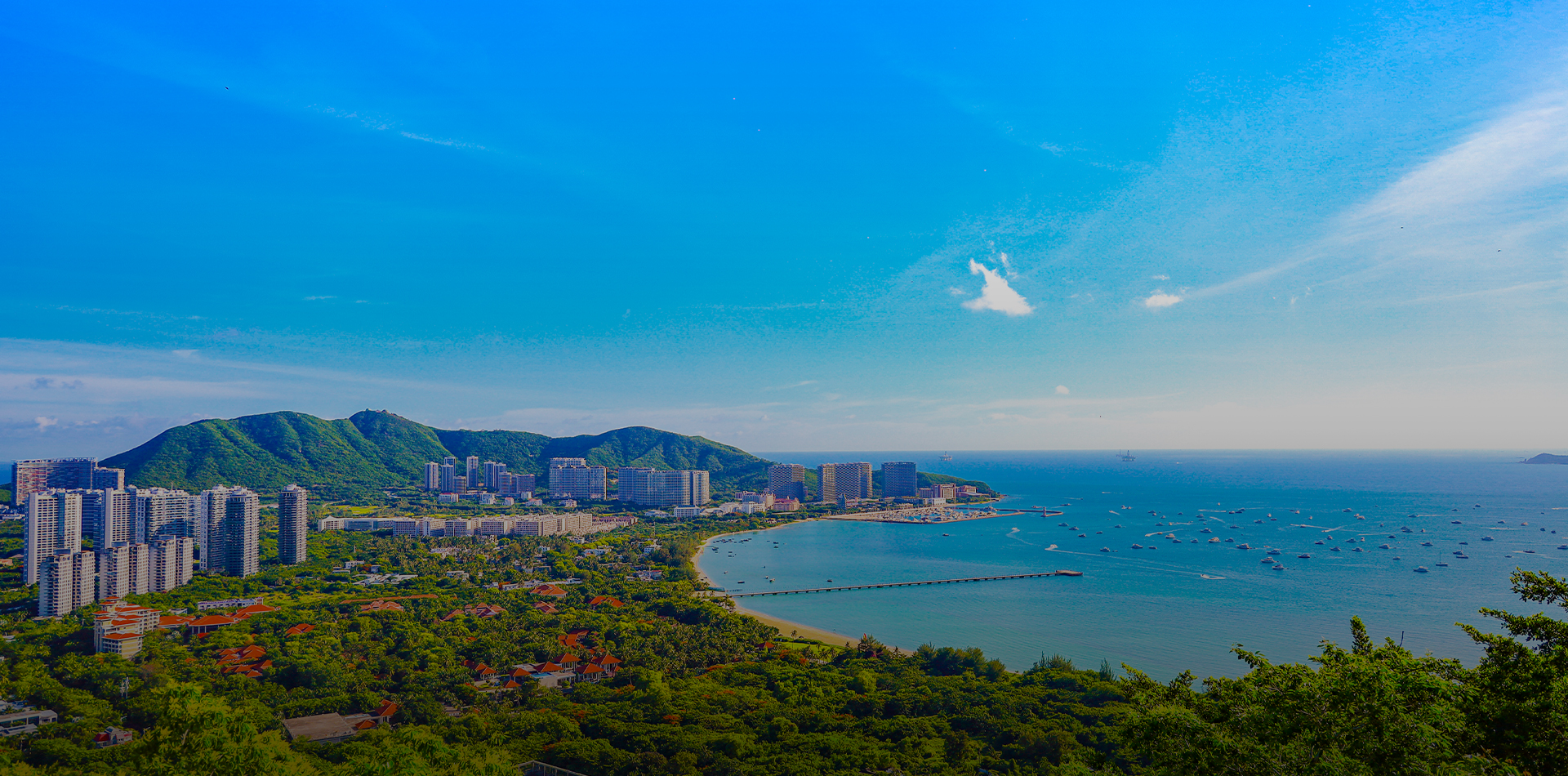
Sanya has a unique tropical sea area, warm and pleasant climate, blue and transparent seawater, and a high-end and comfortable vacation environment. It attracts tens of millions of tourists every year, making it the focus of attention for global travelers.
Ocean scenery is one of Hainan's proudest natural endowments. People are intoxicated with their beauty, but they may not necessarily understand the reasons behind it. Why is the beauty so stunning here, and what kind of magic does nature exert in shaping them?

At 18 degrees north latitude, listen to Sanya's confession and heartfelt voice. Let's take a closer look at why this sea area is beautiful and how to continue this beauty in this rapidly developing contemporary society and the natural ecological environment that requires careful care.
Sanya is not only a good place to see the sea, but people also like to come here because the sea here is unique. Our Earth is a water blue planet, and the ocean occupies 70% of the area. Therefore, in a subtle way, vastness and azure have become people's main impression of the sea.

The blue color of the ocean comes from the scattering of sunlight by seawater. There are a total of seven colors of sunlight, namely red, orange, yellow, green, blue, and purple. The first five colors of light are absorbed by seawater due to their longer wavelengths, while the last two colors are scattered due to their shorter wavelengths. Due to the insensitivity of the human eye to purple light, only blue remains in sight of the ocean. The ocean that people aspire to is not always blue, due to differences in geographical environment, The water quality in different sea areas varies, and the depth of the sea bed varies, making it often present a completely different appearance.

The factors that determine the color of seawater mainly include weather, water quality, and depth.
The weather can affect the intensity of sunlight projection, and even seawater with higher transparency can have vastly different states on sunny and cloudy days.
The standard for evaluating water quality is the content of impurities. Excessive impurities can inhibit the scattering of sunlight by seawater, such as sediment entering the sea with rivers and plankton carried by ocean currents. Their diffusion and aggregation often weaken the blueness of seawater.
The influence of depth on the color of seawater is more subtle. The ocean can be divided into shallow and deep seas, and the difference in volume of seawater makes it difficult for shallow seas to fully absorb and scatter sunlight like deep seas, so the blue color they present often appears less saturated.
The color of seawater is also related to three factors: season, latitude, and salinity.
Compared to autumn and winter, the sunlight in spring and summer in the northern hemisphere is stronger, and the brightness of the seawater will also increase accordingly.
The latitude of the ocean is generally inversely proportional to the salinity of the seawater, and the salinity of tropical waters is often higher than that of the cold temperate zones.
From the north and south poles to the equator, as the sunlight and heat gradually increase, the high salinity caused by seawater evaporation will inhibit the growth of nutrients, and the blue color of the seawater will appear even brighter.
The blue color of the ocean from subtropical to tropical waters is becoming increasingly bright, and its transparency is also naturally optimized.

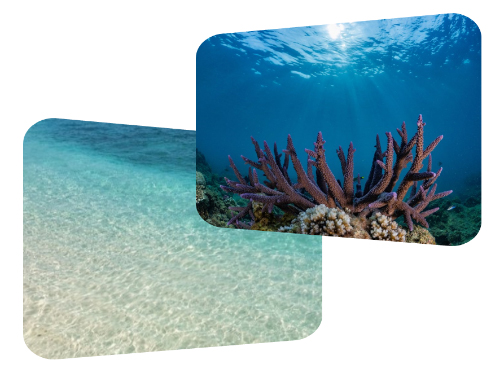
This is thanks to the coral reef groups silently working on the seabed, which are concentrated in shallow waters at low latitudes, playing an important role in purifying seawater quality and maintaining marine ecology. It also allows the world's cleanest seawater to gather in the tropics, and most of the world's top island resorts are mostly concentrated in the tropics, attracting tourists who strive for excellence in the sea view.
This sea in Sanya is precious due to its scarcity, renowned for its uniqueness, and endowed with natural beauty due to the care of the heavens. The seawater here is dazzling and irreplaceable.
West Island is 8 nautical miles away from Sanya Bay, a paradise like island with clear and azure waters. The fishing village is simple and full of artistic atmosphere.

The clean and sandy Yalong Bay is one of the most beautiful bays in Sanya, earning the praise of "the best bay in the world". The crystal clear "glass sea" can be seen everywhere.
Wuzhizhou Island, located in Haitang Bay, has extremely transparent water quality, and the visibility of the surrounding waters can reach up to 27 meters. In addition, the depth difference of the seabed endows the seawater with a distinct gradient of blue.
Humans are inherently hydrophilic. As the largest natural ecosystem on Earth, the ocean has always been relied on and utilized by people. People demand resources from the sea, come to the seaside to enjoy holidays, feel the softness of the sea and the fun of playing with it. However, in this process, people continue to add burden to the ocean, and in the context of economic globalization, the marine ecological environment is affected.

The issue of marine ecological and environmental protection is troubling us. In the process of ecological civilization, we are also actively working hard, and difficulties are gradually being solved. Coral plants planted under the "afforestation" of the Sanya seabed are continuously improving the marine environment.

Wuzhizhou Island is a rocky island that is very suitable for coral growth. As early as 2011, Wuzhizhou Island launched China's first tropical marine ranching project. Marine ranching is the process of "building houses" for fish at the bottom of the sea. People build "new homes" for marine organisms by investing in artificial fish reefs and ship reefs. Through coral transplantation and conservation, they "plant trees and trees" in the underwater world. Tourists who experience diving can also plant a coral in a timely manner, and personally assist in marine ecological restoration.
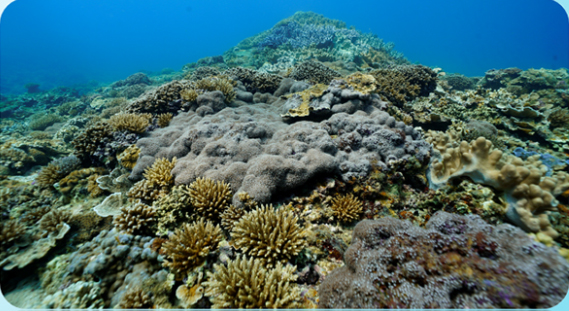
Wuzhizhou Island, as a representative of the "waste free scenic area", is prohibited from catching, shaping, and smoking, and has simultaneously established a domestic waste treatment plant. The paperless business model is also gradually unfolding, integrating the concept of low-carbon and environmental protection into various sections of the scenic area. Scenic spots will remind tourists to minimize contact with corals or other organisms while diving, and not to use sunscreen that can harm corals. People are gradually realizing that some chemicals in cosmetics can pose a threat to marine ecology, and are also making efforts to protect the marine environment through a series of effortless efforts. The environmental protection army is gradually expanding, and more and more tourists are joining voluntarily, These efforts may seem insignificant at first, but when combined, they can ignite a prairie fire.
The protection of the marine environment is not limited to just below the sea surface, but the care of beaches is also advancing synchronously. The hotel's spontaneous sand screening operation enhances guests' coastal vacation experience by clearing coarse sand. People are increasingly paying attention to the protection of the marine environment, and many guests have also spontaneously participated in the hotel's beach cleaning activities to reduce the burden on the beach.

The residents of West Island are also carefully guarding this sea. The homestays in the fishing village collect domestic wastewater to the island's sewage treatment plant. The "Waste Free West Island" activity advocates sustainable development and guides villagers to actively participate in ecological protection. Walking into the West Island Environmental Protection Center, you can recycle turtle keychains made of plastic, artwork made of waste beer bottles, and wind chime bottles that are hanging and waiting for the wind to jingle. The Wang Bihai in front of us is a harbor that West Island has relied on for generations, and we cannot give anything. We must guard it carefully for long-term development.

Through these loving actions, we realize the hard-earned nature of this sea view, and at the same time, we will gradually understand how the seawater here presents its current appearance, what unique talents it possesses, what twists and turns it has experienced, and where the future lies. We sincerely thank people for their efforts to protect the ocean, and we hope that all of this can be sustained. Harmony under sustainable development should not only be the initial state of nature, but also the ultimate destination. Once, nature nurtured this azure tropical ocean in Sanya for billions of years. It is pure and bright, attracting the envy of countless people, and sustainable development will become an eternal theme in the future.
Nature is facing unprecedented pressure, and the concept of sustainable tourism has emerged. It expresses awe and respect for nature by minimizing the negative impact of tourism. In order to ensure the eternal beauty of the ocean, Sanya's sustainable tourism practice has no end in the long journey of sustainable development. Sanya will always encourage each other and work together to protect this green and blue land.
What color is the sea in your heart? Is it the blue sea under a clear sky? Is it the surging white waves? Is it the colorful coral on the seabed? The sea is a song, the sea is a poem, a pair of notes written by foot prints scattered on the beach, softly singing the infinite longing for nature. The sea in Sanya is blue for you. We are here, guarding this azure land.
Sanya has a unique tropical sea area, warm and pleasant climate, blue and transparent seawater, and a high-end and comfortable vacation environment. It attracts tens of millions of tourists every year, making it the focus of attention for global travelers.
Ocean scenery is one of Hainan's proudest natural endowments. People are intoxicated with their beauty, but they may not necessarily understand the reasons behind it. Why is the beauty so stunning here, and what kind of magic does nature exert in shaping them?
At 18 degrees north latitude, listen to Sanya's confession and heartfelt voice. Let's take a closer look at why this sea area is beautiful and how to continue this beauty in this rapidly developing contemporary society and the natural ecological environment that requires careful care.
Sanya is not only a good place to see the sea, but people also like to come here because the sea here is unique. Our Earth is a water blue planet, and the ocean occupies 70% of the area. Therefore, in a subtle way, vastness and azure have become people's main impression of the sea.
The blue color of the ocean comes from the scattering of sunlight by seawater. There are a total of seven colors of sunlight, namely red, orange, yellow, green, blue, and purple. The first five colors of light are absorbed by seawater due to their longer wavelengths, while the last two colors are scattered due to their shorter wavelengths. Due to the insensitivity of the human eye to purple light, only blue remains in sight of the ocean. The ocean that people aspire to is not always blue, due to differences in geographical environment, The water quality in different sea areas varies, and the depth of the sea bed varies, making it often present a completely different appearance.
The factors that determine the color of seawater mainly include weather, water quality, and depth.
The weather can affect the intensity of sunlight projection, and even seawater with higher transparency can have vastly different states on sunny and cloudy days.
The standard for evaluating water quality is the content of impurities. Excessive impurities can inhibit the scattering of sunlight by seawater, such as sediment entering the sea with rivers and plankton carried by ocean currents. Their diffusion and aggregation often weaken the blueness of seawater.
The influence of depth on the color of seawater is more subtle. The ocean can be divided into shallow and deep seas, and the difference in volume of seawater makes it difficult for shallow seas to fully absorb and scatter sunlight like deep seas, so the blue color they present often appears less saturated.
The color of seawater is also related to three factors: season, latitude, and salinity.
Compared to autumn and winter, the sunlight in spring and summer in the northern hemisphere is stronger, and the brightness of the seawater will also increase accordingly.
The latitude of the ocean is generally inversely proportional to the salinity of the seawater, and the salinity of tropical waters is often higher than that of the cold temperate zones.
From the north and south poles to the equator, as the sunlight and heat gradually increase, the high salinity caused by seawater evaporation will inhibit the growth of nutrients, and the blue color of the seawater will appear even brighter.
The blue color of the ocean from subtropical to tropical waters is becoming increasingly bright, and its transparency is also naturally optimized.
This is thanks to the coral reef groups silently working on the seabed, which are concentrated in shallow waters at low latitudes, playing an important role in purifying seawater quality and maintaining marine ecology. It also allows the world's cleanest seawater to gather in the tropics, and most of the world's top island resorts are mostly concentrated in the tropics, attracting tourists who strive for excellence in the sea view.
This sea in Sanya is precious due to its scarcity, renowned for its uniqueness, and endowed with natural beauty due to the care of the heavens. The seawater here is dazzling and irreplaceable.
West Island is 8 nautical miles away from Sanya Bay, a paradise like island with clear and azure waters. The fishing village is simple and full of artistic atmosphere.
The clean and sandy Yalong Bay is one of the most beautiful bays in Sanya, earning the praise of "the best bay in the world". The crystal clear "glass sea" can be seen everywhere.
Wuzhizhou Island, located in Haitang Bay, has extremely transparent water quality, and the visibility of the surrounding waters can reach up to 27 meters. In addition, the depth difference of the seabed endows the seawater with a distinct gradient of blue.
Humans are inherently hydrophilic. As the largest natural ecosystem on Earth, the ocean has always been relied on and utilized by people. People demand resources from the sea, come to the seaside to enjoy holidays, feel the softness of the sea and the fun of playing with it. However, in this process, people continue to add burden to the ocean, and in the context of economic globalization, the marine ecological environment is affected.
The issue of marine ecological and environmental protection is troubling us. In the process of ecological civilization, we are also actively working hard, and difficulties are gradually being solved. Coral plants planted under the "afforestation" of the Sanya seabed are continuously improving the marine environment.
Wuzhizhou Island is a rocky island that is very suitable for coral growth. As early as 2011, Wuzhizhou Island launched China's first tropical marine ranching project. Marine ranching is the process of "building houses" for fish at the bottom of the sea. People build "new homes" for marine organisms by investing in artificial fish reefs and ship reefs. Through coral transplantation and conservation, they "plant trees and trees" in the underwater world. Tourists who experience diving can also plant a coral in a timely manner, and personally assist in marine ecological restoration.
Wuzhizhou Island, as a representative of the "waste free scenic area", is prohibited from catching, shaping, and smoking, and has simultaneously established a domestic waste treatment plant. The paperless business model is also gradually unfolding, integrating the concept of low-carbon and environmental protection into various sections of the scenic area. Scenic spots will remind tourists to minimize contact with corals or other organisms while diving, and not to use sunscreen that can harm corals. People are gradually realizing that some chemicals in cosmetics can pose a threat to marine ecology, and are also making efforts to protect the marine environment through a series of effortless efforts. The environmental protection army is gradually expanding, and more and more tourists are joining voluntarily, These efforts may seem insignificant at first, but when combined, they can ignite a prairie fire.
The protection of the marine environment is not limited to just below the sea surface, but the care of beaches is also advancing synchronously. The hotel's spontaneous sand screening operation enhances guests' coastal vacation experience by clearing coarse sand. People are increasingly paying attention to the protection of the marine environment, and many guests have also spontaneously participated in the hotel's beach cleaning activities to reduce the burden on the beach.
The residents of West Island are also carefully guarding this sea. The homestays in the fishing village collect domestic wastewater to the island's sewage treatment plant. The "Waste Free West Island" activity advocates sustainable development and guides villagers to actively participate in ecological protection. Walking into the West Island Environmental Protection Center, you can recycle turtle keychains made of plastic, artwork made of waste beer bottles, and wind chime bottles that are hanging and waiting for the wind to jingle. The Wang Bihai in front of us is a harbor that West Island has relied on for generations, and we cannot give anything. We must guard it carefully for long-term development.
Through these loving actions, we realize the hard-earned nature of this sea view, and at the same time, we will gradually understand how the seawater here presents its current appearance, what unique talents it possesses, what twists and turns it has experienced, and where the future lies. We sincerely thank people for their efforts to protect the ocean, and we hope that all of this can be sustained. Harmony under sustainable development should not only be the initial state of nature, but also the ultimate destination. Once, nature nurtured this azure tropical ocean in Sanya for billions of years. It is pure and bright, attracting the envy of countless people, and sustainable development will become an eternal theme in the future.
Nature is facing unprecedented pressure, and the concept of sustainable tourism has emerged. It expresses awe and respect for nature by minimizing the negative impact of tourism. In order to ensure the eternal beauty of the ocean, Sanya's sustainable tourism practice has no end in the long journey of sustainable development. Sanya will always encourage each other and work together to protect this green and blue land.

0898-88616699
0898-88568987
12345
office@visitsanya.com