















Remarkable non-material cultural heritage of Sanya!
2024-03-10
Sanya, a city with a long history and a rich cultural heritage of non-material cultural traditions, offers us a glimpse into its centuries-old memories and fascinating cultural legacies. Today, let's embark on a journey to explore both the national and provincial levels of non-material cultural heritage in Hainan Province.
National-level Non-material Cultural Heritage List:
Li Ethnic Group's Firewood Dance, Yazhou Folk Songs, and Dangan Songs
Provincial-level Non-material Cultural Heritage List in Hainan:
Li Ethnic Group's Traditional Textile Dyeing, Weaving, and Embroidery Skills, Li Ethnic Group's Primitive Pottery Craftsmanship, Miao Ethnic Group's Panhuang Dance, Hui Ethnic Group's Traditional Wedding Customs, Li Ethnic Group's Folk Tales, and The Legend of the Conch Girl
01
—
Li Ethnic Group's Firewood Dance
Dancing with the Coolest Ethnic Style
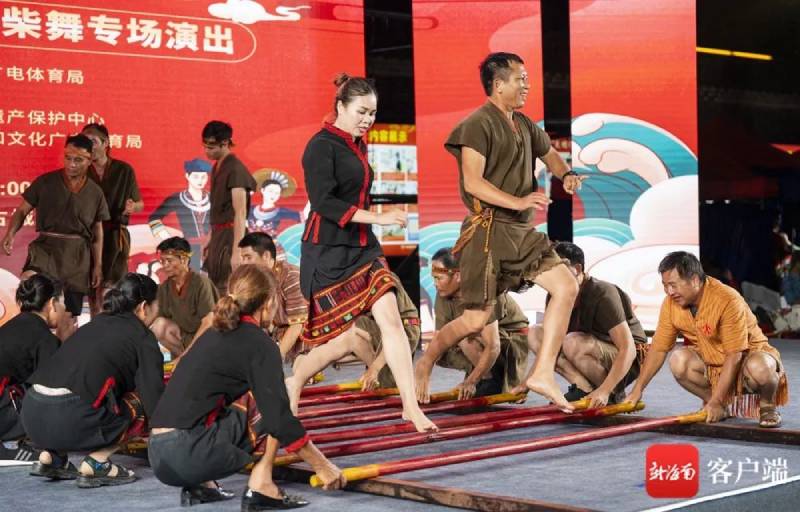
The Firewood Dance, predominantly popular in the central and southern regions of Hainan Island where the Li Ethnic Group resides, was included in the first batch of national-level non-material cultural heritage in 2006.
Have you ever experienced the Firewood Dance in Sanya? Follow its rhythmic beats and jump into the dance! It is one of the oldest and most representative dance forms of the Li Ethnic Group. Using several long wooden sticks as props, dancers skillfully move and jump between the sticks, gracefully executing various elegant movements. Are you tempted to give it a try?
02
—
Yazhou Folk Songs
Singing of the Sea, Life, and Nostalgia
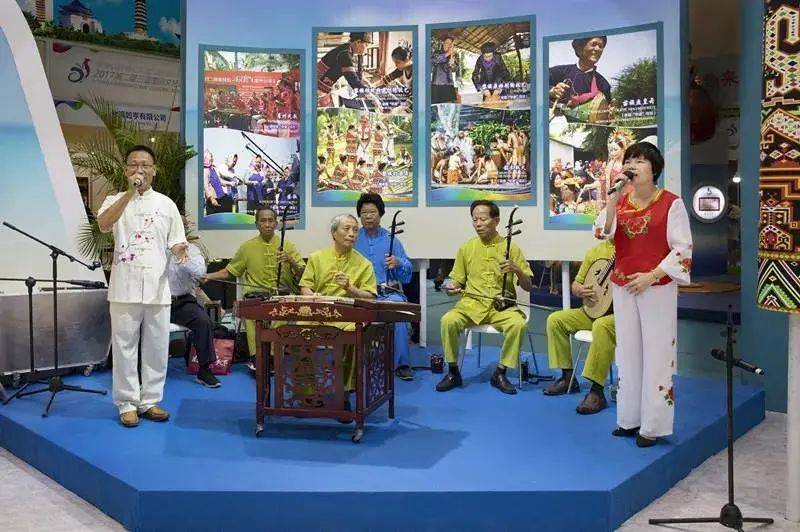
Yazhou folk songs are ancient folk songs from Yazhou, popular in Sanya, Ledong and other places, and sung in the Yazhou dialect. Yazhou folk songs were selected as the first batch of national non-material cultural heritage in 2006.
Accompanied by the erhu, Yazhou folk songs express themes of the sea, life, and nostalgia through human voices. These songs, which are passed down through generations and are full of timeless charm, seem to convey the longing for their loved ones, aspirations for a better life, and the sea that Yazhou people have always watched over.
03
—
Dan Songs
the ballads of Hainan's fishermen-the song of the vast ocean
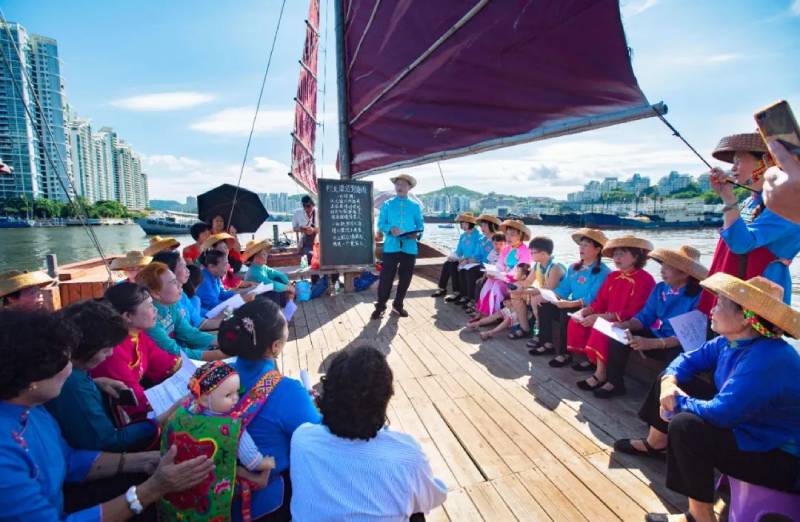
Dan Songs are folk songs sung by Tanjia fishermen in Cantonese. It is generally believed that Dan Songs originated from the coastal settlements of Tanjia fishermen in the southwestern part of Hainan Island during the Tang and Song dynasties. Over the centuries, these songs have been refined and transformed by folk artists, taking shape during the Ming and Qing dynasties and have been passed down and sung ever since.
Dan Songs are the ballads of the vast ocean. As the life at sea can be monotonous and boring, the Tanjia people, lacking other forms of entertainment, chose to express their joys, sorrows, anger, happiness, and innermost thoughts through lyrics, singing them out in the form of songs. This gave birth to the unique "Saltwater Song" culture of the Tanjia people. Saltwater Songs come with four fixed melodies, allowing them to sing about all the beautiful emotions and aspirations of the world.
04
—
The spinning, dyeing, weaving, and embroidery of the Li ethnic group
an artisanry of fingertips, passed down through generations
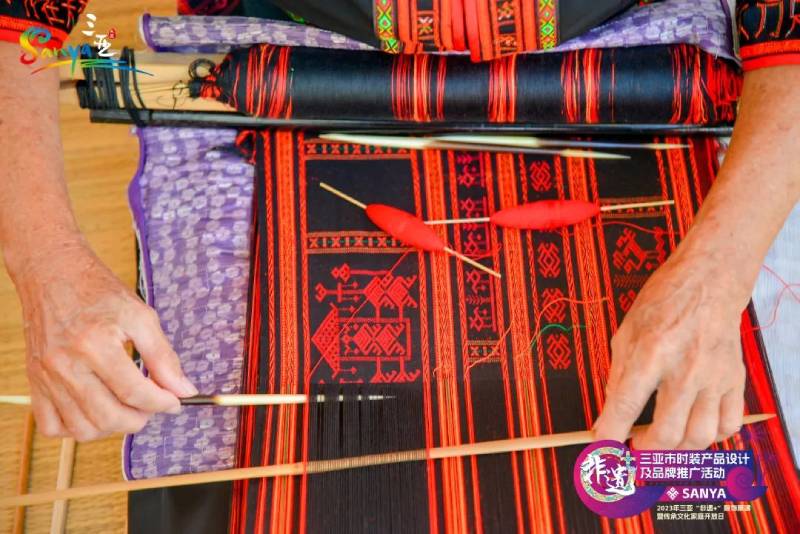
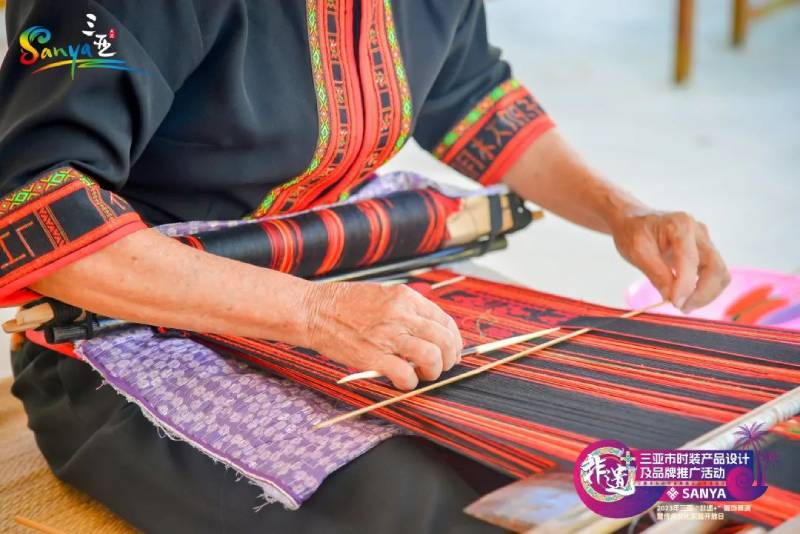
The traditional spinning, dyeing, weaving, and embroidery techniques of the Li ethnic group refer to the traditional handicrafts used by Li women to make clothing and other daily necessities from natural fibers such as cotton and linen.
Through their long-term practice of understanding and utilizing plant fibers and dyes, Li women have developed a comprehensive technical system consisting of four major craft types: spinning, dyeing, weaving, and embroidery. They have demonstrated exquisite skills and ethnic characteristics in areas such as ikat dyeing, double-sided embroidery, and single-sided jacquard embroidery.
05
—
The primitive pottery-making technique of the Li ethnic
group embodies the cleverness and wisdom of their ancestors
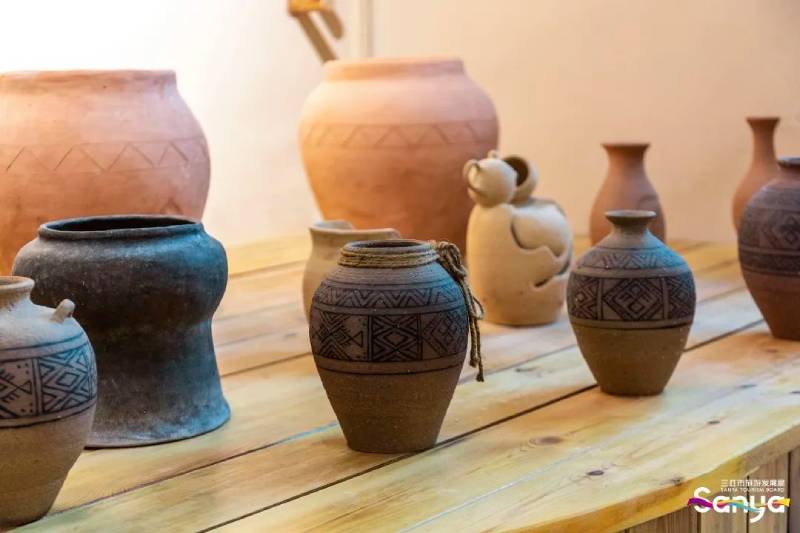
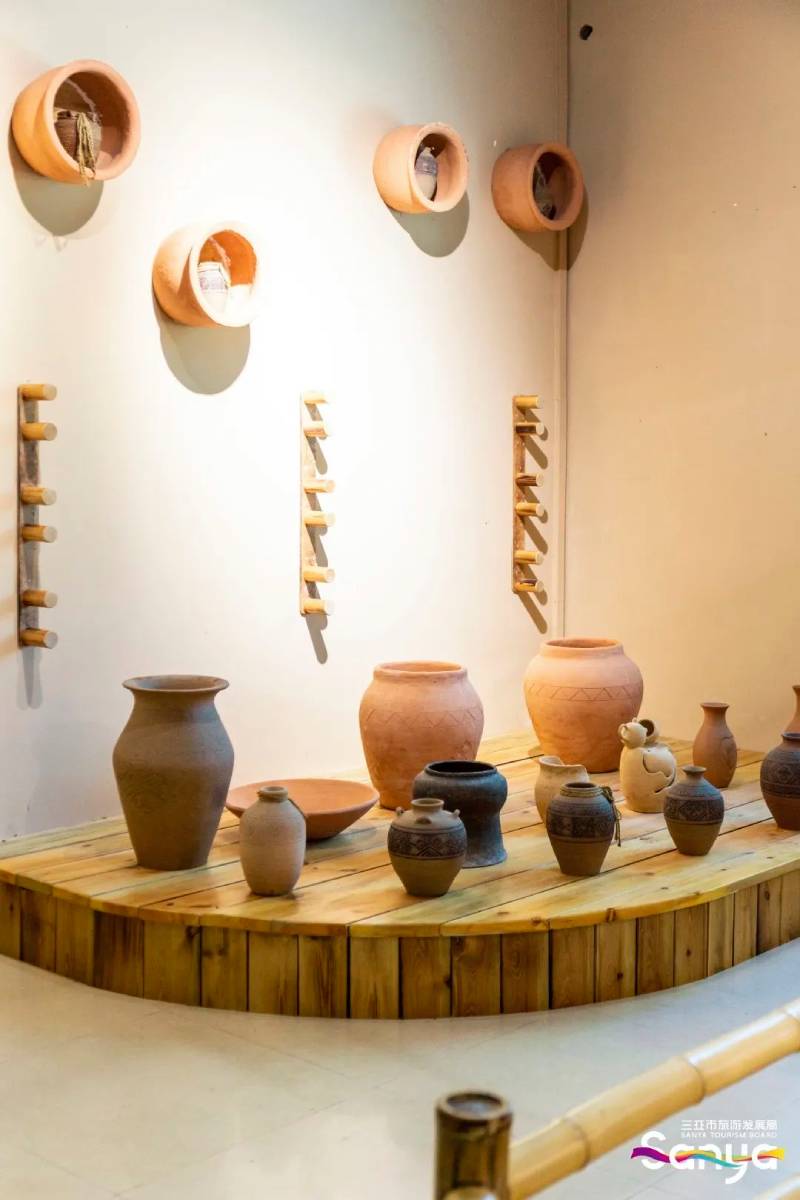
The primitive pottery-making technique of the Li ethnic group originated in the Neolithic era, and its continuation is a historical and cultural miracle. Clay is selected as the main raw material for pottery, processed into blank materials, and the bottom and mud strips are joined together using mud slurry... Handcrafting shapes the objects. Shells, bamboo slices, and other tools are then used to reinforce and polish the pottery. After complete natural drying, the pottery can be fired in an open-air pile. This pottery embodies the cleverness and wisdom of the ancestors of the Li ethnic group.
06
—
The Miao's Panhuang Dance embodies
aspirations for peace and happiness.
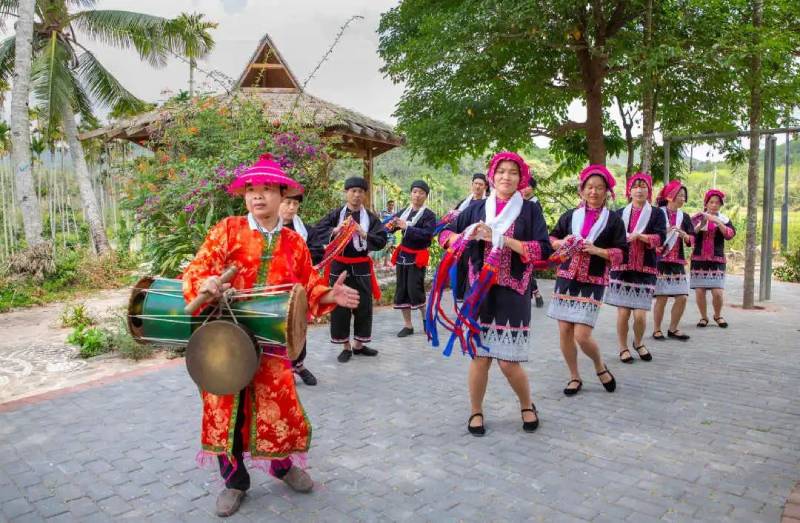
Known as the Three-Yuan Dance, the Miao's Panhuang Dance was created by the ancestors of the Miao ethnic group in Hainan and exhibits distinct ethnic characteristics. It consists of three parts: the Upper-Yuan Dance, the Middle-Yuan Dance, and the Lower-Yuan Dance. The accompanying instruments primarily include the long drum, copper gong, small cymbal, and jingle bell. Nowadays, it has become a social custom among the Miao people in Sanya to perform this dance during ancestor worship, expressing their respect and reverence for their ancestor Panhuang, and embodying aspirations for peace and happiness.
07
—
During the traditional wedding ceremony of the Hui ethnic group
the attire of the Hui bride is simply breathtakingly beautiful
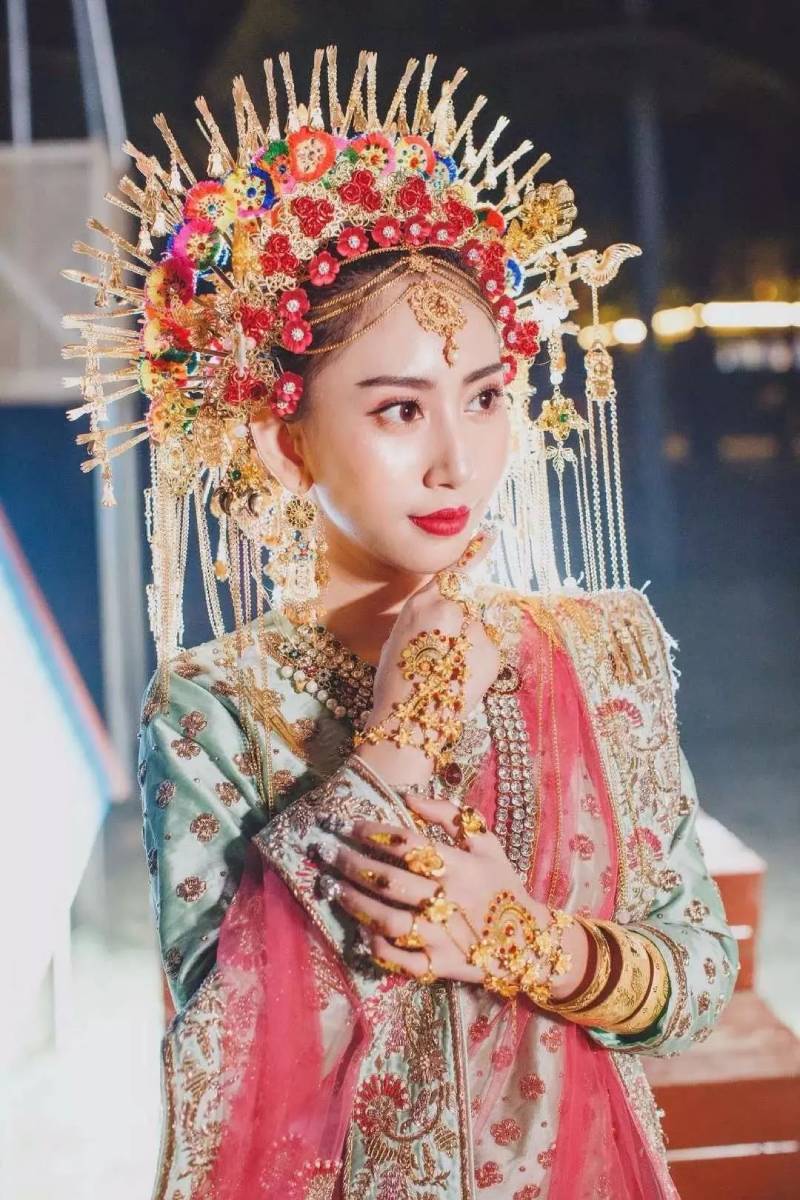
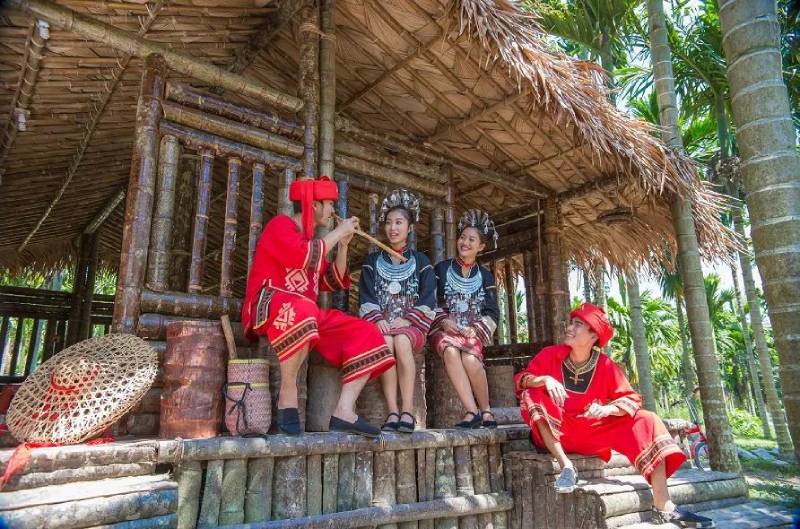
The Hui ethnic compatriots in Sanya are mostly distributed in the villages of Huixin and Huihui, where they maintain their own ethnic characteristics and styles in terms of clothing and accessories. The traditional Hui wedding ceremony is a traditional wedding custom of the Hui people in Sanya, with distinct ethnic customs and religious characteristics. The beautiful hair ornaments, gorgeous dresses... The attire of the Hui bride is simply stunningly beautiful and exudes a mysterious charm!
08
—
Folk Tales of the Li Ethnic Group
Listening to Their Narratives of the Past
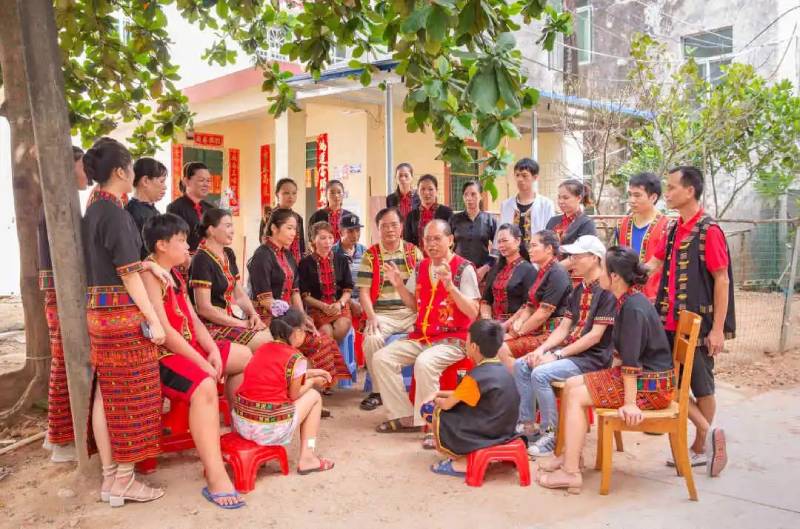
The folk tales of the Li ethnic group are literary works passed down through generations by the Li people of Hainan. Tales such as "The Hercules", "The Legend of the Betel Nut Tree", and "The Legend of Deer Turning Back" possess regional, historical, and mysterious characteristics. These stories embody the Li ancestors' worship of nature, ancestors, and deities.
09
—
The legend of the Conch Girl
Symbolizes the goddess of beauty, love, and protection
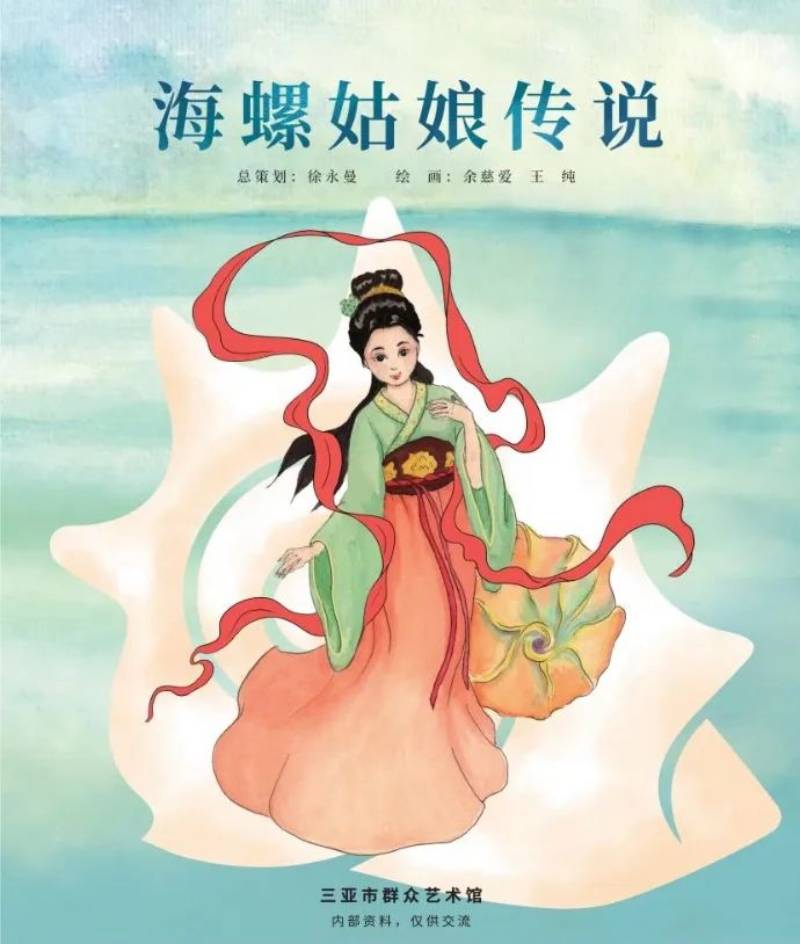
The legend of the Conch Girl is a provincial-level non-material cultural heritage of Hainan Province. It is a beautiful folk story passed down among the Dan people of Sanya and one of the folk narrative literary works created by the Dan people in their aquatic life and labor, which possesses a strong marine cultural characteristic of Hainan.
As the goddess of the South China Sea, the Conch Girl symbolizes the goddess of beauty, love, and protection. She embodies the noble spirit, excellent qualities, and great strength of the working people, and is the incarnation of the ideal perfect character in people's minds. The Conch Girl is included in the system of folk deities in Sanya and is worshipped by farmers and fishermen during the four seasons and eight festivals.
There is also a municipal-level non-material cultural heritage protection list, which we will share with you in the next issue.
Sanya, a city with a long history and a rich cultural heritage of non-material cultural traditions, offers us a glimpse into its centuries-old memories and fascinating cultural legacies. Today, let's embark on a journey to explore both the national and provincial levels of non-material cultural heritage in Hainan Province.
National-level Non-material Cultural Heritage List:
Li Ethnic Group's Firewood Dance, Yazhou Folk Songs, and Dangan Songs
Provincial-level Non-material Cultural Heritage List in Hainan:
Li Ethnic Group's Traditional Textile Dyeing, Weaving, and Embroidery Skills, Li Ethnic Group's Primitive Pottery Craftsmanship, Miao Ethnic Group's Panhuang Dance, Hui Ethnic Group's Traditional Wedding Customs, Li Ethnic Group's Folk Tales, and The Legend of the Conch Girl
01
—
Li Ethnic Group's Firewood Dance
Dancing with the Coolest Ethnic Style
The Firewood Dance, predominantly popular in the central and southern regions of Hainan Island where the Li Ethnic Group resides, was included in the first batch of national-level non-material cultural heritage in 2006.
Have you ever experienced the Firewood Dance in Sanya? Follow its rhythmic beats and jump into the dance! It is one of the oldest and most representative dance forms of the Li Ethnic Group. Using several long wooden sticks as props, dancers skillfully move and jump between the sticks, gracefully executing various elegant movements. Are you tempted to give it a try?
02
—
Yazhou Folk Songs
Singing of the Sea, Life, and Nostalgia
Yazhou folk songs are ancient folk songs from Yazhou, popular in Sanya, Ledong and other places, and sung in the Yazhou dialect. Yazhou folk songs were selected as the first batch of national non-material cultural heritage in 2006.
Accompanied by the erhu, Yazhou folk songs express themes of the sea, life, and nostalgia through human voices. These songs, which are passed down through generations and are full of timeless charm, seem to convey the longing for their loved ones, aspirations for a better life, and the sea that Yazhou people have always watched over.
03
—
Dan Songs
the ballads of Hainan's fishermen-the song of the vast ocean
Dan Songs are folk songs sung by Tanjia fishermen in Cantonese. It is generally believed that Dan Songs originated from the coastal settlements of Tanjia fishermen in the southwestern part of Hainan Island during the Tang and Song dynasties. Over the centuries, these songs have been refined and transformed by folk artists, taking shape during the Ming and Qing dynasties and have been passed down and sung ever since.
Dan Songs are the ballads of the vast ocean. As the life at sea can be monotonous and boring, the Tanjia people, lacking other forms of entertainment, chose to express their joys, sorrows, anger, happiness, and innermost thoughts through lyrics, singing them out in the form of songs. This gave birth to the unique "Saltwater Song" culture of the Tanjia people. Saltwater Songs come with four fixed melodies, allowing them to sing about all the beautiful emotions and aspirations of the world.
04
—
The spinning, dyeing, weaving, and embroidery of the Li ethnic group
an artisanry of fingertips, passed down through generations
The traditional spinning, dyeing, weaving, and embroidery techniques of the Li ethnic group refer to the traditional handicrafts used by Li women to make clothing and other daily necessities from natural fibers such as cotton and linen.
Through their long-term practice of understanding and utilizing plant fibers and dyes, Li women have developed a comprehensive technical system consisting of four major craft types: spinning, dyeing, weaving, and embroidery. They have demonstrated exquisite skills and ethnic characteristics in areas such as ikat dyeing, double-sided embroidery, and single-sided jacquard embroidery.
05
—
The primitive pottery-making technique of the Li ethnic
group embodies the cleverness and wisdom of their ancestors
The primitive pottery-making technique of the Li ethnic group originated in the Neolithic era, and its continuation is a historical and cultural miracle. Clay is selected as the main raw material for pottery, processed into blank materials, and the bottom and mud strips are joined together using mud slurry... Handcrafting shapes the objects. Shells, bamboo slices, and other tools are then used to reinforce and polish the pottery. After complete natural drying, the pottery can be fired in an open-air pile. This pottery embodies the cleverness and wisdom of the ancestors of the Li ethnic group.
06
—
The Miao's Panhuang Dance embodies
aspirations for peace and happiness.
Known as the Three-Yuan Dance, the Miao's Panhuang Dance was created by the ancestors of the Miao ethnic group in Hainan and exhibits distinct ethnic characteristics. It consists of three parts: the Upper-Yuan Dance, the Middle-Yuan Dance, and the Lower-Yuan Dance. The accompanying instruments primarily include the long drum, copper gong, small cymbal, and jingle bell. Nowadays, it has become a social custom among the Miao people in Sanya to perform this dance during ancestor worship, expressing their respect and reverence for their ancestor Panhuang, and embodying aspirations for peace and happiness.
07
—
During the traditional wedding ceremony of the Hui ethnic group
the attire of the Hui bride is simply breathtakingly beautiful
The Hui ethnic compatriots in Sanya are mostly distributed in the villages of Huixin and Huihui, where they maintain their own ethnic characteristics and styles in terms of clothing and accessories. The traditional Hui wedding ceremony is a traditional wedding custom of the Hui people in Sanya, with distinct ethnic customs and religious characteristics. The beautiful hair ornaments, gorgeous dresses... The attire of the Hui bride is simply stunningly beautiful and exudes a mysterious charm!
08
—
Folk Tales of the Li Ethnic Group
Listening to Their Narratives of the Past
The folk tales of the Li ethnic group are literary works passed down through generations by the Li people of Hainan. Tales such as "The Hercules", "The Legend of the Betel Nut Tree", and "The Legend of Deer Turning Back" possess regional, historical, and mysterious characteristics. These stories embody the Li ancestors' worship of nature, ancestors, and deities.
09
—
The legend of the Conch Girl
Symbolizes the goddess of beauty, love, and protection
The legend of the Conch Girl is a provincial-level non-material cultural heritage of Hainan Province. It is a beautiful folk story passed down among the Dan people of Sanya and one of the folk narrative literary works created by the Dan people in their aquatic life and labor, which possesses a strong marine cultural characteristic of Hainan.
As the goddess of the South China Sea, the Conch Girl symbolizes the goddess of beauty, love, and protection. She embodies the noble spirit, excellent qualities, and great strength of the working people, and is the incarnation of the ideal perfect character in people's minds. The Conch Girl is included in the system of folk deities in Sanya and is worshipped by farmers and fishermen during the four seasons and eight festivals.
There is also a municipal-level non-material cultural heritage protection list, which we will share with you in the next issue.

0898-88616699
0898-88568987
12345
office@visitsanya.com