
















Sanya's Natural Dessert - Tropical Fruits
2022-05-12
Though life being hard, Sanya could add sweet savor to that. Seven major fruit specialties display Sanya's sweetness for you.
Sugar Apple
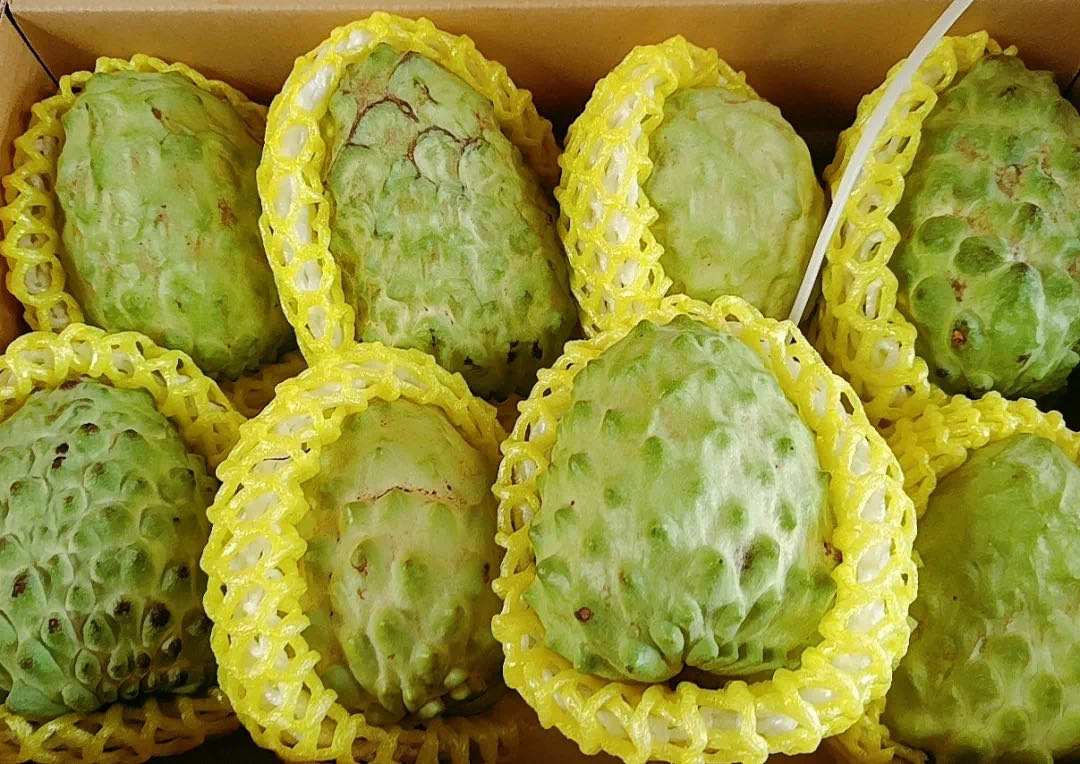
It's also called cherimoya, whose flesh is white and seeds are black. It doesn't taste crisp or thin, but tastes soft. Sugar apple is a tropical fruit, which is not common in the mainland.
Egg Fruit
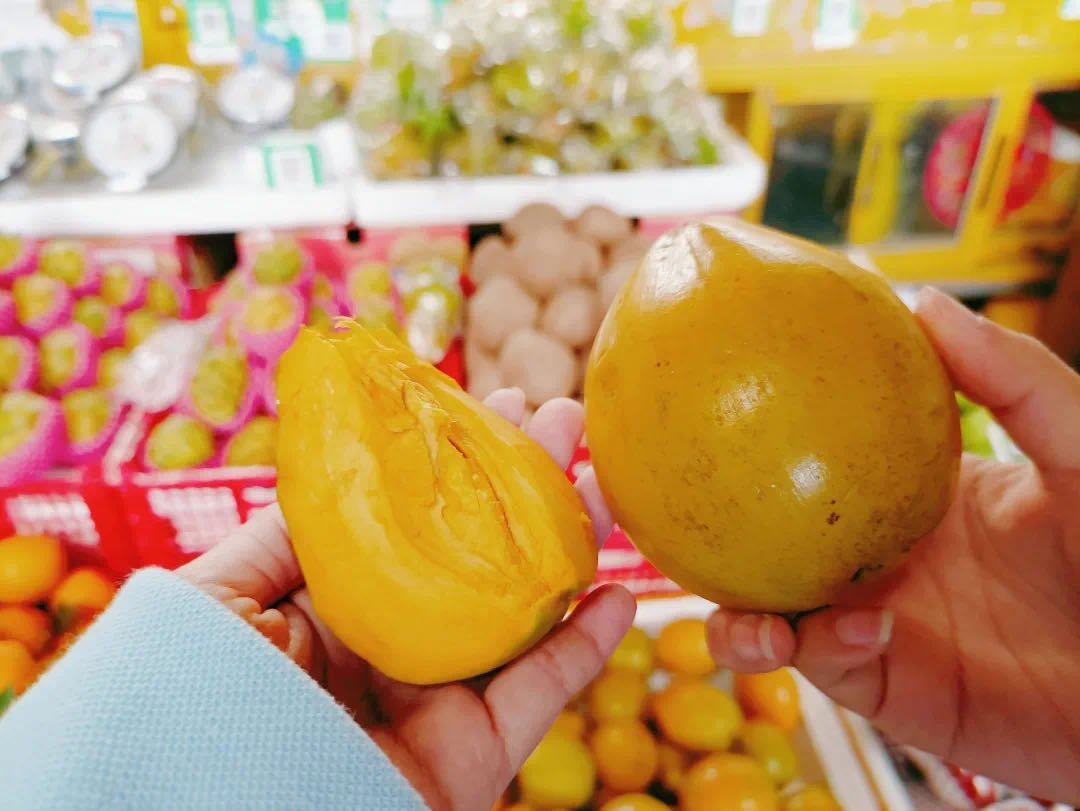
It tastes fine and smooth like egg yolk. There's no much water in it, but its' nutritional value is high, which is rarely known by people.
Milk Coconut
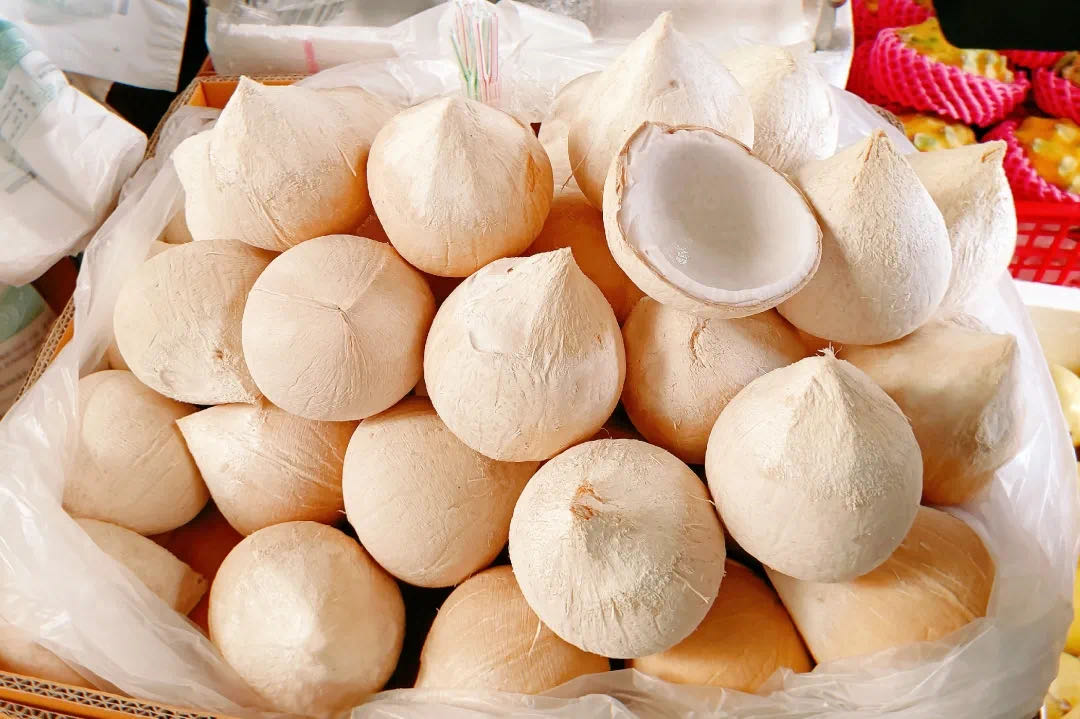
It is convenient to mail and tastes like sweet milk, which is smaller than ordinary coconut.
Java Apple
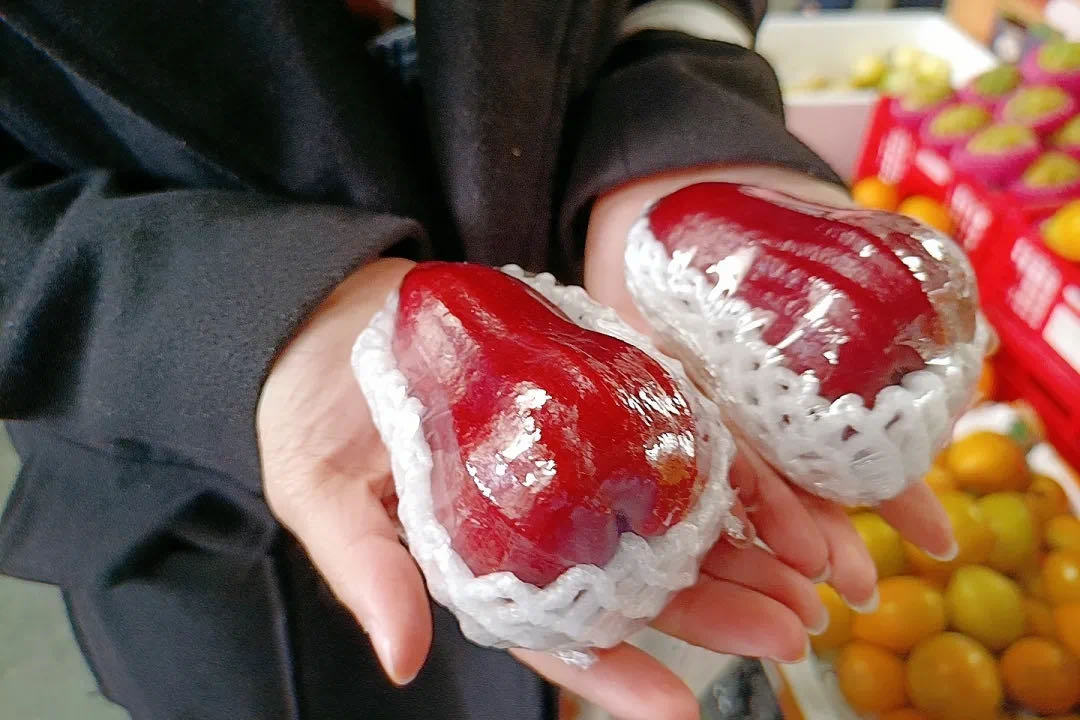
Java apple tastes crisp, juicy, sweet but not greasy, which is enough to quench people's thirst. It is the childhood memory of the local people.
Mango
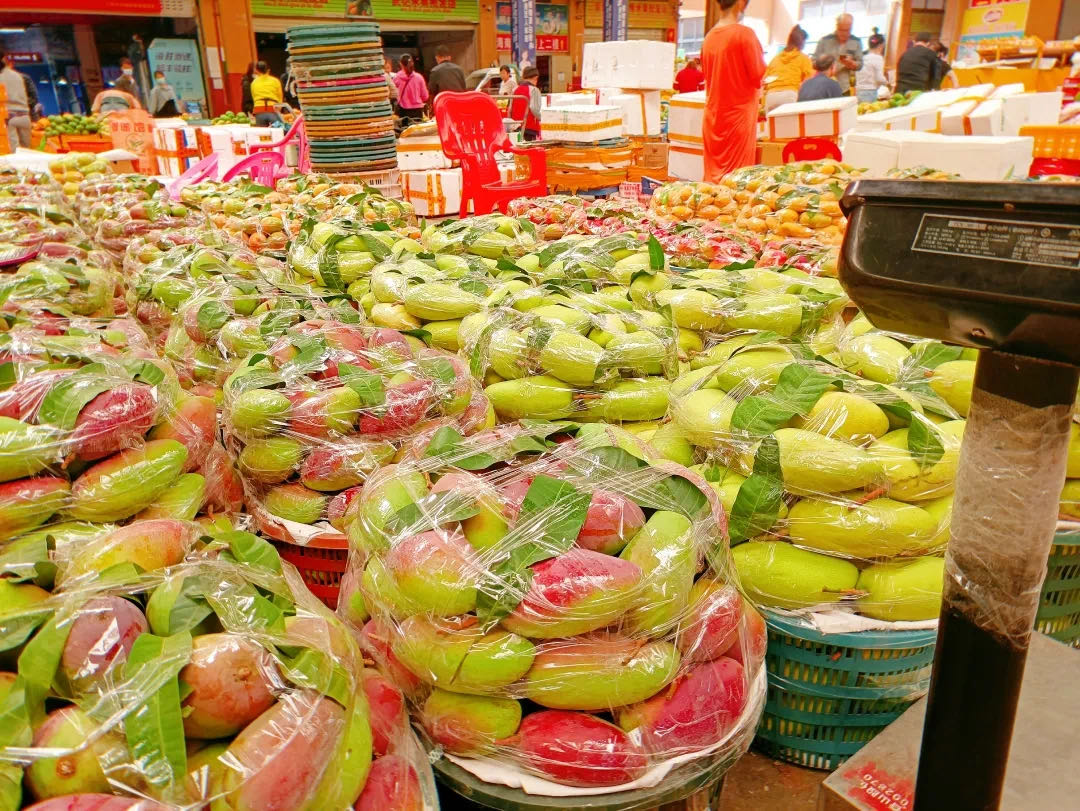
Local people eat a lot of Small Hongjinlong, and they think local small mango and okrong are delicious. But okrong is rare on the market. Local small mango tastes silky. Mainlanders may not be used to it. So Guifeimang, Hongjinlong, Jinhuangmang and Australian Mango are recommended if you want to take mangoes home.
Prickly Pear
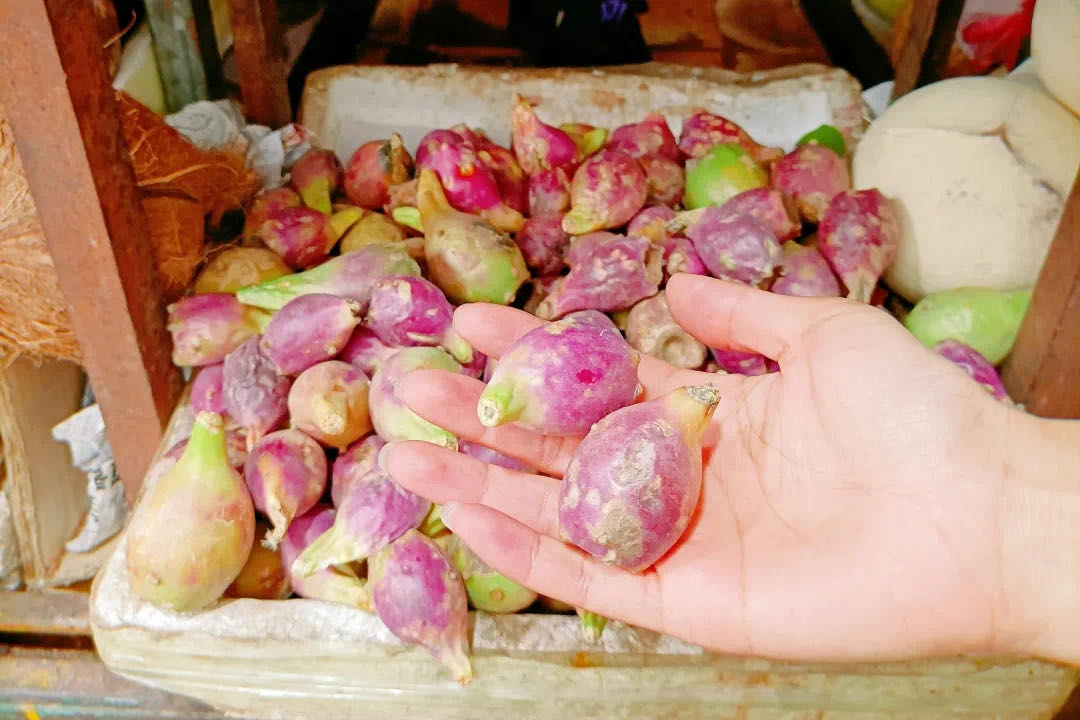
This is the treasured fruit of Sanya. It looks red and green outside, and it turns red inside after cutting, which tastes fresh and sweet.
Pickled Cowpea
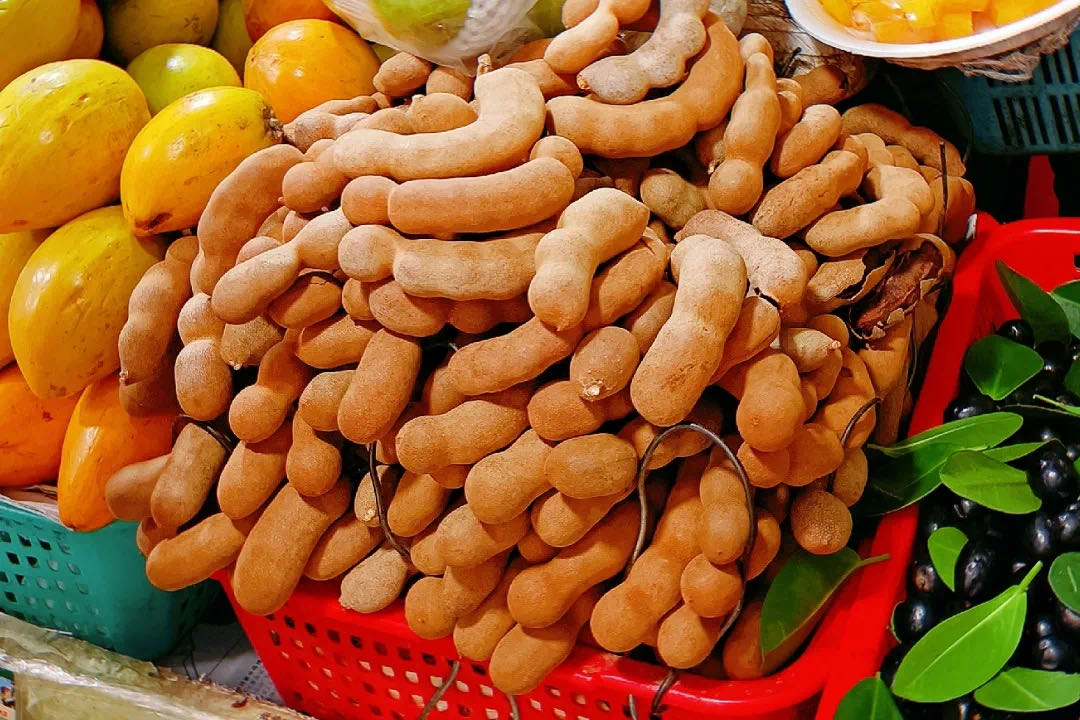
In the market, sweet ones will be called sweet tamarind, while people who like sour ones will eat as snack directly. Local people will also cook fish soup with it. Sweet ones can be used as snack directly.
In addition, there are Coconut, Pineapple, Carambola, Mangosteen, Rambutan, Ginseng Fruit, Longan, Dragon Fruit and Jackfruit. Each of them is a sweet and favourable fruit.
Tips:
The tropical fruits in Sanya are colorful, affordable and mouth-watering. Many tourists do not understand the eating habits of fruits and eat special foods, which can easily cause fire or diarrhea. For example, mangoes, lychees, durians, and pineapples are high-calorie fruits. Eating too much can cause irritation and induce acne; eating too much lychee will reduce digestion, affect appetite, and cause nausea, vomiting, cold sweats and other phenomena. Due to the high water content of melons and fruits, eating too much will dilute the gastric juice, causing indigestion, abdominal pain, and diarrhea. Before buying fruit, it is best to consult the vendor to understand the eating habits of the fruit.
Though life being hard, Sanya could add sweet savor to that. Seven major fruit specialties display Sanya's sweetness for you.
Sugar Apple
It's also called cherimoya, whose flesh is white and seeds are black. It doesn't taste crisp or thin, but tastes soft. Sugar apple is a tropical fruit, which is not common in the mainland.
Egg Fruit
It tastes fine and smooth like egg yolk. There's no much water in it, but its' nutritional value is high, which is rarely known by people.
Milk Coconut
It is convenient to mail and tastes like sweet milk, which is smaller than ordinary coconut.
Java Apple
Java apple tastes crisp, juicy, sweet but not greasy, which is enough to quench people's thirst. It is the childhood memory of the local people.
Mango
Local people eat a lot of Small Hongjinlong, and they think local small mango and okrong are delicious. But okrong is rare on the market. Local small mango tastes silky. Mainlanders may not be used to it. So Guifeimang, Hongjinlong, Jinhuangmang and Australian Mango are recommended if you want to take mangoes home.
Prickly Pear
This is the treasured fruit of Sanya. It looks red and green outside, and it turns red inside after cutting, which tastes fresh and sweet.
Pickled Cowpea
In the market, sweet ones will be called sweet tamarind, while people who like sour ones will eat as snack directly. Local people will also cook fish soup with it. Sweet ones can be used as snack directly.
In addition, there are Coconut, Pineapple, Carambola, Mangosteen, Rambutan, Ginseng Fruit, Longan, Dragon Fruit and Jackfruit. Each of them is a sweet and favourable fruit.
Tips:
The tropical fruits in Sanya are colorful, affordable and mouth-watering. Many tourists do not understand the eating habits of fruits and eat special foods, which can easily cause fire or diarrhea. For example, mangoes, lychees, durians, and pineapples are high-calorie fruits. Eating too much can cause irritation and induce acne; eating too much lychee will reduce digestion, affect appetite, and cause nausea, vomiting, cold sweats and other phenomena. Due to the high water content of melons and fruits, eating too much will dilute the gastric juice, causing indigestion, abdominal pain, and diarrhea. Before buying fruit, it is best to consult the vendor to understand the eating habits of the fruit.

0898-88616699
0898-88568987
12345
office@visitsanya.com