

















Hainan Free Trade Port's Island-wide Customs Closure Operation to Officially Launch on Dec 18, 2025: Impacts on Domestic and International Business and Travel
2025-08-01
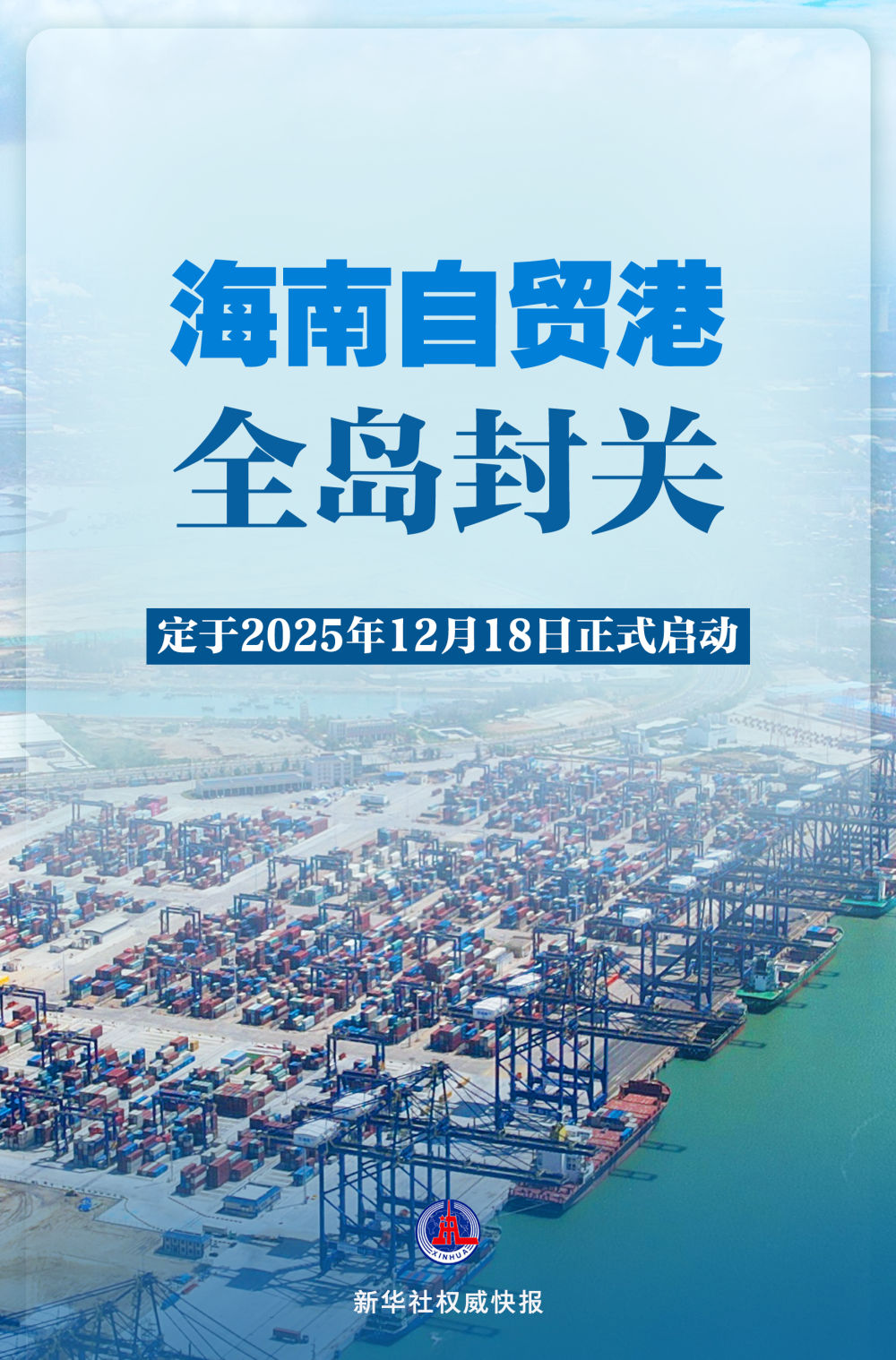
Wang Changlin, Vice Chairman of the National Development and Reform Commission (NDRC), stated at a press conference held by the State Council Information Office on July 23rd that the specific time for the customs closure operation of the Hainan Free Trade Port (FTP), approved by the CPC Central Committee, has been set for December 18, 2025.
The island-wide customs closure operation of the Hainan FTP is a critical step in its construction. Its core lies in establishing a brand-new customs supervision system: "relaxation at the first tier, effective control at the second tier, and free flow within the island". This will have multifaceted and profound impacts on domestic and international business and travel, primarily reflected in two aspects: enhanced convenience and changes in regulations.
I. Significant Benefits for International Business Travel (Major Boost in Convenience)
Expansion and Facilitation of Visa-Free Entry Policy:
Scope Expansion: The visa-free policy for tourists from 59 countries entering Hainan will continue and may be further optimized (e.g., extended stay duration, increased number of eligible countries).
Procedure Simplification: "Relaxation at the first tier" means international travelers entering and exiting Hainan will enjoy faster customs clearance procedures, similar to the experience in international free ports.
Purpose Expansion: The visa-free policy may gradually cover a wider range of activities such as business, medical treatment, and exhibitions/conferences, attracting more international businesspeople and high-end tourists.
Increase in International Flights and Routes:
The customs closure operation and more open aviation policies will attract more international airlines to launch or increase flights to and from Hainan, enhancing international accessibility and reducing travel costs and time.
Upgraded Shopping and Consumption Experience:
Continuous Enhancement of Duty-Free Policy for Departing the Island: The duty-free quota (currently RMB 100,000 per person per year), product categories, and purchase methods (such as "buy and take immediately", "buy with guarantee and take immediately") will be continuously optimized, offering significant appeal.
Duty-Free Stores on the Island Targeting International Tourists: After the customs closure, duty-free stores (or downtown duty-free shops) targeting inbound tourists will be established on the island. International tourists will find it more convenient and favorable to consume imported goods within the island.
Enrichment of High-End Goods and Services: The zero-tariff and low-tax policies will attract more international high-end brands, medical institutions, educational institutions, and entertainment projects to establish a presence in Hainan, elevating the overall consumption experience.
Facilitation of Cross-Border Capital Flows:
The FTP's financial opening-up policies, such as cross-border cash pooling and multi-currency integrated accounts, will provide businesspeople from multinational corporations with more convenient services like cross-border settlement and salary remittance.
Opening of Professional Services:
Policies allowing overseas professionals (e.g., lawyers, accountants, architects, doctors) to provide services in Hainan will attract more international business activities and exchanges of high-level talents.
II. Impacts on Domestic Business Travel (Changes in Rules Require Attention)
Changes Brought by "Second Tier" Supervision (Returning from Hainan to the Mainland):
Quota Limitation: Purchased duty-free goods for departing the island have an annual quota limit (currently RMB 100,000). Amounts exceeding the quota must pay import duties according to regulations.
Crackdown on "Quota Exploitation Smuggling": Customs will severely crack down on "quota exploitation smuggling" activities that use others' quotas for profit-making purposes. The basic principles are for personal use and reasonable quantities.
Proactive Declaration: When carrying (non-duty-free) imported goods purchased in Hainan, or high-value personal items off the island, proactive declaration may be required if the quantity exceeds reasonable amounts for personal use or involves licensing management.
Inspection upon Departing the Island: This is the most significant change for domestic travelers after the customs closure. Passengers' luggage and articles will undergo customs inspection when leaving Hainan Island and entering other parts of mainland China via the "second tier" (sea ports, airports, railway ports, etc.).
Distinction between Goods and Articles: Goods carried in quantities significantly exceeding reasonable amounts for personal use may be treated as cargo and require customs declaration procedures according to cargo regulations.
Freer Circulation within the Island (Beneficial for Business Travel within the Island):
"Free Flow within the Island": Within Hainan Island, goods (except restricted categories) can circulate freely, exempt from tariffs and import-related taxes. This means more efficient logistics, more convenient commercial activities within the island, benefiting business exchanges and MICE (Meetings, Incentives, Conferences, Exhibitions) activities on the island.
Potential Cost Advantages:
Due to zero tariffs and low VAT/consumption taxes, the sales prices of some imported goods on the island may be lower than in the mainland, attracting domestic tourists to consume.
Due to zero tariffs and low VAT/consumption taxes, the sales prices of some imported goods on the island may be lower than in the mainland, attracting domestic tourists to consume.
Domestic Flights Unaffected by the "Second Tier":
Domestic flights entering and exiting Hainan Island fall under the scope of "free flow within the island". Passengers' carry-on and checked luggage on domestic flights to/from Hainan Island are not subject to "second tier" customs inspection (only security checks, as is the case now). Customs supervision of duty-free goods pick-up points for departing the island is completed within the sterile area. "Second tier" inspections mainly occur when passengers depart the island (i.e., leave the customs territory of the Hainan FTP) and enter the mainland via seaports, airports, railway ports, and other ports.
Summary and Key Points
For International Travelers/Businesspeople: The customs closure operation is a significant benefit, offering more convenient entry, more shopping choices with better value, enhanced international accessibility, and more open professional services. The appeal of Hainan as an international tourism and consumption center and an open gateway will be greatly enhanced.
For Domestic Travelers:
Benefits: The duty-free shopping policy for departing the island is continuously optimized, consumption choices within the island increase and may offer better price advantages, and the island's commercial environment becomes more vibrant.
Changes and Points to Note: When leaving Hainan Island and returning to the mainland, customs "second tier" supervision must be accepted. The core is to comply with the duty-free quota regulations for departing the island (RMB 100,000/year/person), ensure goods are for "personal use and reasonable quantities", and avoid the risk of "quota exploitation smuggling". When carrying non-duty-free imported goods purchased in Hainan off the island, declaration is also required if they exceed reasonable amounts for personal use. The luggage process (security check) for domestic flights to/from Hainan is unaffected by this.
For Everyone: The degree of free circulation within Hainan Island is higher, and commercial activities are more convenient.
Important Reminders
"Customs Closure" is not equivalent to "Closing Off the Island": Freedom of movement for people is not restricted; the core is a change in the supervision model for goods and taxation.
Pay Attention to Specific Policy Details: Detailed regulations regarding the specific supervision procedures for the customs closure operation, standards for article declaration, and details of duty-free policies will be issued by the General Administration of Customs and other departments in the future. Be sure to check the latest official information before traveling.
Compliance Awareness: Whether international or domestic travelers, while enjoying the conveniences, must comply with Chinese laws and regulations as well as the special supervision rules of the Hainan FTP, especially regarding duty-free goods management and the requirements for declaring articles upon entry/exit.
In summary, the island-wide customs closure operation of Hainan will significantly enhance its appeal as an international tourism and consumption center and a hub for investment and business, especially for international business travelers. While domestic tourists enjoy conveniences like shopping, they need to adapt to the new customs inspection step when departing the island and strictly comply with the relevant regulations.
Wang Changlin, Vice Chairman of the National Development and Reform Commission (NDRC), stated at a press conference held by the State Council Information Office on July 23rd that the specific time for the customs closure operation of the Hainan Free Trade Port (FTP), approved by the CPC Central Committee, has been set for December 18, 2025.
The island-wide customs closure operation of the Hainan FTP is a critical step in its construction. Its core lies in establishing a brand-new customs supervision system: "relaxation at the first tier, effective control at the second tier, and free flow within the island". This will have multifaceted and profound impacts on domestic and international business and travel, primarily reflected in two aspects: enhanced convenience and changes in regulations.
I. Significant Benefits for International Business Travel (Major Boost in Convenience)
Expansion and Facilitation of Visa-Free Entry Policy:
Scope Expansion: The visa-free policy for tourists from 59 countries entering Hainan will continue and may be further optimized (e.g., extended stay duration, increased number of eligible countries).
Procedure Simplification: "Relaxation at the first tier" means international travelers entering and exiting Hainan will enjoy faster customs clearance procedures, similar to the experience in international free ports.
Purpose Expansion: The visa-free policy may gradually cover a wider range of activities such as business, medical treatment, and exhibitions/conferences, attracting more international businesspeople and high-end tourists.
Increase in International Flights and Routes:
The customs closure operation and more open aviation policies will attract more international airlines to launch or increase flights to and from Hainan, enhancing international accessibility and reducing travel costs and time.
Upgraded Shopping and Consumption Experience:
Continuous Enhancement of Duty-Free Policy for Departing the Island: The duty-free quota (currently RMB 100,000 per person per year), product categories, and purchase methods (such as "buy and take immediately", "buy with guarantee and take immediately") will be continuously optimized, offering significant appeal.
Duty-Free Stores on the Island Targeting International Tourists: After the customs closure, duty-free stores (or downtown duty-free shops) targeting inbound tourists will be established on the island. International tourists will find it more convenient and favorable to consume imported goods within the island.
Enrichment of High-End Goods and Services: The zero-tariff and low-tax policies will attract more international high-end brands, medical institutions, educational institutions, and entertainment projects to establish a presence in Hainan, elevating the overall consumption experience.
Facilitation of Cross-Border Capital Flows:
The FTP's financial opening-up policies, such as cross-border cash pooling and multi-currency integrated accounts, will provide businesspeople from multinational corporations with more convenient services like cross-border settlement and salary remittance.
Opening of Professional Services:
Policies allowing overseas professionals (e.g., lawyers, accountants, architects, doctors) to provide services in Hainan will attract more international business activities and exchanges of high-level talents.
II. Impacts on Domestic Business Travel (Changes in Rules Require Attention)
Changes Brought by "Second Tier" Supervision (Returning from Hainan to the Mainland):
Quota Limitation: Purchased duty-free goods for departing the island have an annual quota limit (currently RMB 100,000). Amounts exceeding the quota must pay import duties according to regulations.
Crackdown on "Quota Exploitation Smuggling": Customs will severely crack down on "quota exploitation smuggling" activities that use others' quotas for profit-making purposes. The basic principles are for personal use and reasonable quantities.
Proactive Declaration: When carrying (non-duty-free) imported goods purchased in Hainan, or high-value personal items off the island, proactive declaration may be required if the quantity exceeds reasonable amounts for personal use or involves licensing management.
Inspection upon Departing the Island: This is the most significant change for domestic travelers after the customs closure. Passengers' luggage and articles will undergo customs inspection when leaving Hainan Island and entering other parts of mainland China via the "second tier" (sea ports, airports, railway ports, etc.).
Distinction between Goods and Articles: Goods carried in quantities significantly exceeding reasonable amounts for personal use may be treated as cargo and require customs declaration procedures according to cargo regulations.
Freer Circulation within the Island (Beneficial for Business Travel within the Island):
"Free Flow within the Island": Within Hainan Island, goods (except restricted categories) can circulate freely, exempt from tariffs and import-related taxes. This means more efficient logistics, more convenient commercial activities within the island, benefiting business exchanges and MICE (Meetings, Incentives, Conferences, Exhibitions) activities on the island.
Potential Cost Advantages:
Due to zero tariffs and low VAT/consumption taxes, the sales prices of some imported goods on the island may be lower than in the mainland, attracting domestic tourists to consume.
Due to zero tariffs and low VAT/consumption taxes, the sales prices of some imported goods on the island may be lower than in the mainland, attracting domestic tourists to consume.
Domestic Flights Unaffected by the "Second Tier":
Domestic flights entering and exiting Hainan Island fall under the scope of "free flow within the island". Passengers' carry-on and checked luggage on domestic flights to/from Hainan Island are not subject to "second tier" customs inspection (only security checks, as is the case now). Customs supervision of duty-free goods pick-up points for departing the island is completed within the sterile area. "Second tier" inspections mainly occur when passengers depart the island (i.e., leave the customs territory of the Hainan FTP) and enter the mainland via seaports, airports, railway ports, and other ports.
Summary and Key Points
For International Travelers/Businesspeople: The customs closure operation is a significant benefit, offering more convenient entry, more shopping choices with better value, enhanced international accessibility, and more open professional services. The appeal of Hainan as an international tourism and consumption center and an open gateway will be greatly enhanced.
For Domestic Travelers:
Benefits: The duty-free shopping policy for departing the island is continuously optimized, consumption choices within the island increase and may offer better price advantages, and the island's commercial environment becomes more vibrant.
Changes and Points to Note: When leaving Hainan Island and returning to the mainland, customs "second tier" supervision must be accepted. The core is to comply with the duty-free quota regulations for departing the island (RMB 100,000/year/person), ensure goods are for "personal use and reasonable quantities", and avoid the risk of "quota exploitation smuggling". When carrying non-duty-free imported goods purchased in Hainan off the island, declaration is also required if they exceed reasonable amounts for personal use. The luggage process (security check) for domestic flights to/from Hainan is unaffected by this.
For Everyone: The degree of free circulation within Hainan Island is higher, and commercial activities are more convenient.
Important Reminders
"Customs Closure" is not equivalent to "Closing Off the Island": Freedom of movement for people is not restricted; the core is a change in the supervision model for goods and taxation.
Pay Attention to Specific Policy Details: Detailed regulations regarding the specific supervision procedures for the customs closure operation, standards for article declaration, and details of duty-free policies will be issued by the General Administration of Customs and other departments in the future. Be sure to check the latest official information before traveling.
Compliance Awareness: Whether international or domestic travelers, while enjoying the conveniences, must comply with Chinese laws and regulations as well as the special supervision rules of the Hainan FTP, especially regarding duty-free goods management and the requirements for declaring articles upon entry/exit.
In summary, the island-wide customs closure operation of Hainan will significantly enhance its appeal as an international tourism and consumption center and a hub for investment and business, especially for international business travelers. While domestic tourists enjoy conveniences like shopping, they need to adapt to the new customs inspection step when departing the island and strictly comply with the relevant regulations.

0898-88616699
0898-88568987
12345
office@visitsanya.com