Dad's Tea: A Whiff of Tea Fragrance in Hainan's Everyday Life
What image comes to mind when you think of Hainan?
Is it streets lined with swaying coconut palms, the salty sea breeze, or the morning smoke rising from alleyways? Among the myriad taste memories of Hainan, “Dad's Tea” holds a uniquely special place, offering visitors an authentic glimpse into everyday life and China travel culture. It's unassuming yet deeply ingrained in daily life; far from fancy, it carries the rhythm of authentic living. A pot of tea, a few snacks, sipping slowly, chatting leisurely—this is the lifestyle Hainan locals know best.
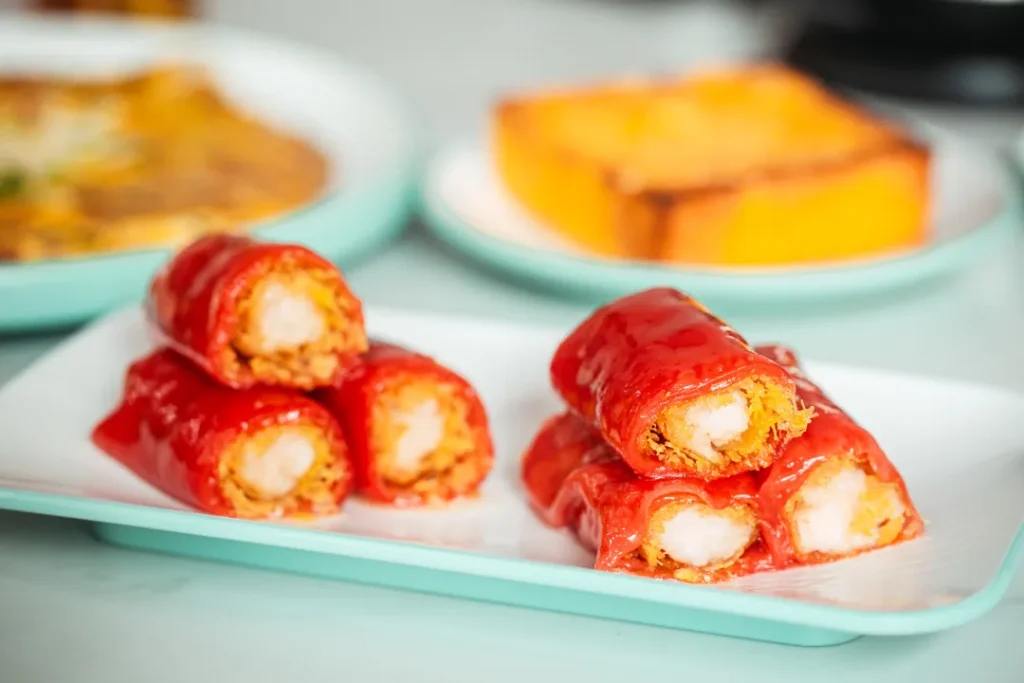
What is “Dad's Tea”?
“Dad's Tea” doesn't refer to a specific type of tea. It's more like a way of life—a habit among local Hainan residents, especially the elderly, to drink tea, chat, and pass the time on street corners or in teahouses, preserving a living tradition that remains an important part of China travel experiences today.
There's no time limit, and topics flow freely. From dawn till dusk, there's no rush and no rules. A pot of tea, a plate of peanuts, or a few snacks are enough to keep them seated for half a day. Over time, this integrated practice of tea drinking, socializing, and relaxation became collectively known as “Lao Ba Cha.”
As one of Hainan's most representative folk leisure customs, “Lao Ba Cha” has been included in the province's Intangible Cultural Heritage List for distinctive tea culture, making it a meaningful cultural experience for visitors interested in China travel beyond famous landmarks. When Lao Ba Cha meets intangible heritage, the fragrance of tea becomes even more enduring and profound.
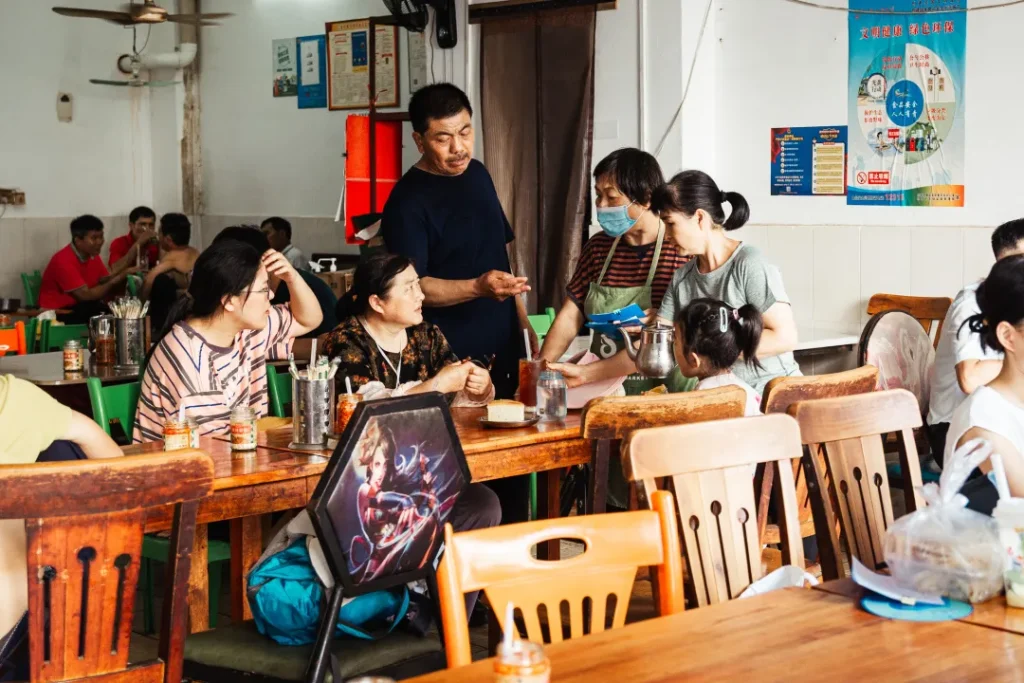
The “Everyday Fashion” Brought Back by Hainanese Overseas Chinese a Century Ago
The emergence of Dad's Tea is inextricably linked to Hainan's unique background as a homeland for overseas Chinese. According to the Hainan Island Folklore Chronicle, during the late Qing Dynasty and early Republican era, overseas Chinese traveling to and from Southeast Asia brought back the local customs of drinking coffee and black tea, gradually giving rise to a tea house culture that blended Chinese and Western culinary elements.
Early teahouses served both “Western teas” like black tea, coffee, and milk, alongside Chinese pastries such as large buns, small buns, and sponge cakes. This eclectic culinary blend gave Old Dad Tea a distinct Southeast Asian tea-and-coffee cultural influence, creating a unique cultural story rarely found elsewhere during an island holiday in China.
Over time, these teahouses spread from Haikou to every corner of Hainan, becoming the most commonplace and enduring fixture in both cities and towns. “Three daily servings of Lao ba cha” has become a cyclical ritual, deeply ingrained in the rhythm of Hainanese life.
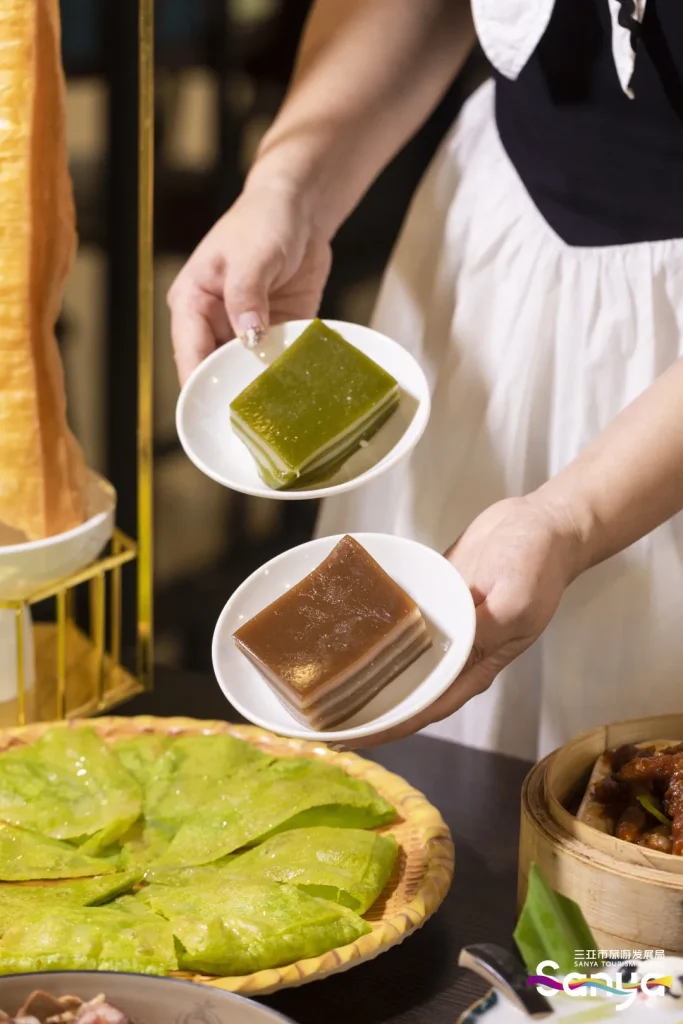
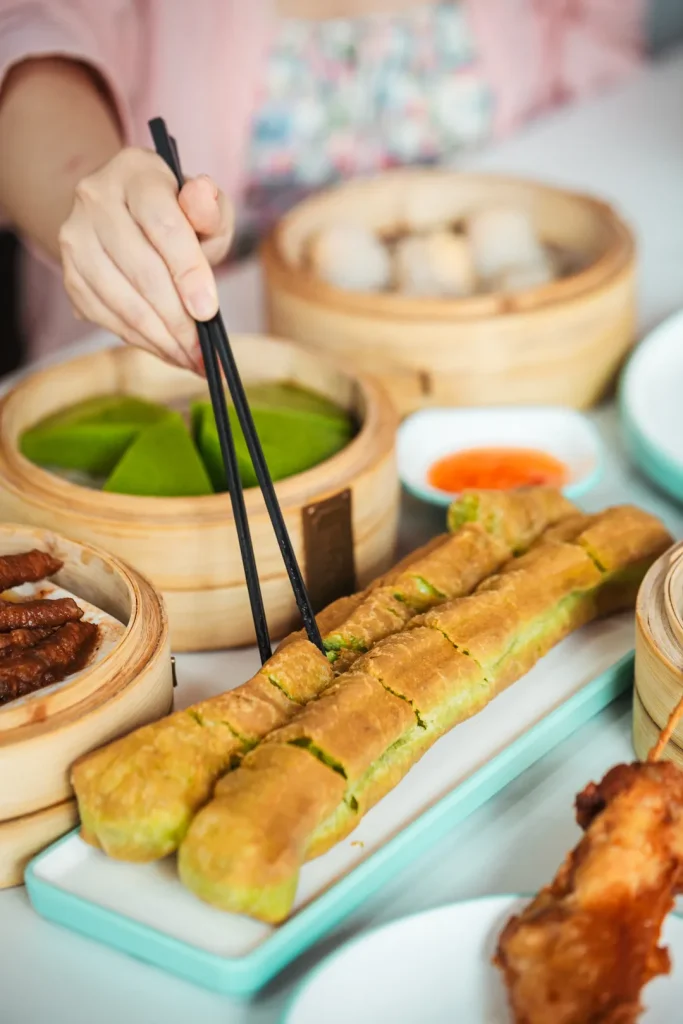
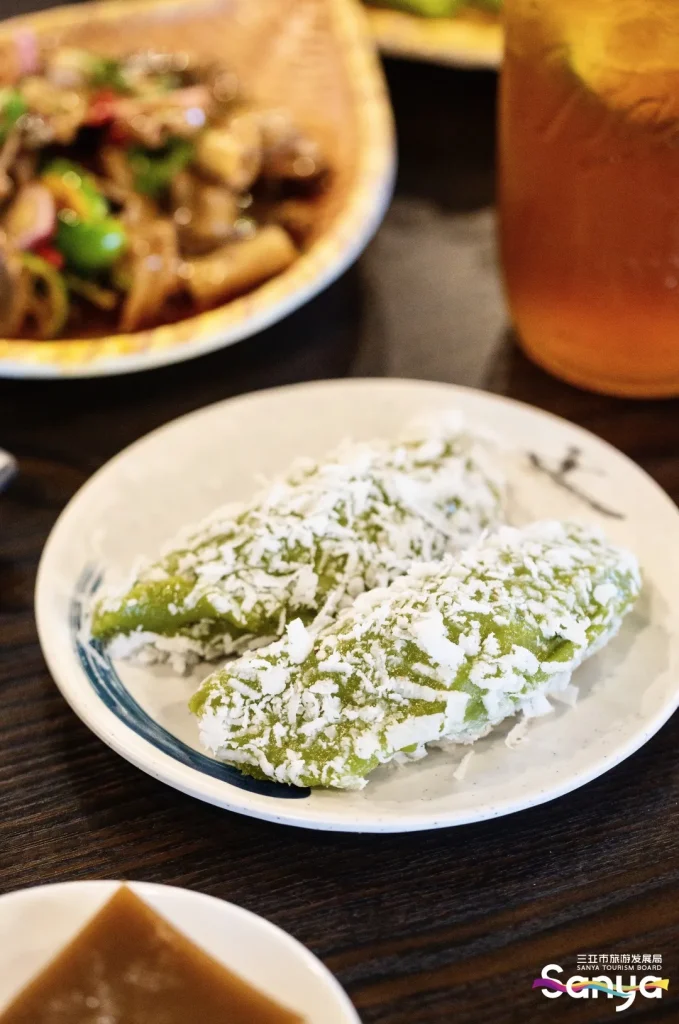
From Lifestyle to Urban Flavor
With improved facilities and an ever-expanding selection of snacks, Dad's Tea is no longer just for the older generation. Increasingly, tourists list Dad's Tea as a must-experience part of Hainan life and an essential stop on a more immersive Sanya travel journey.
Order a cup of black tea—its slightly astringent brew sweetened to perfection with a spoonful of sugar—paired with a pineapple bun or steamed dim sum, and you can quietly while away an entire afternoon, embracing the slower rhythm of an island holiday.
Sweet, savory, steamed, fried, pan-fried, boiled—steamer baskets stack high in the teahouse, while snack stalls billow with steam. The aroma of dim sum drifts gently through the air. Amidst laughter and conversation, both taste buds and spirits are satisfied. It's a meal enjoyed with comfort and a stay savored with ease.
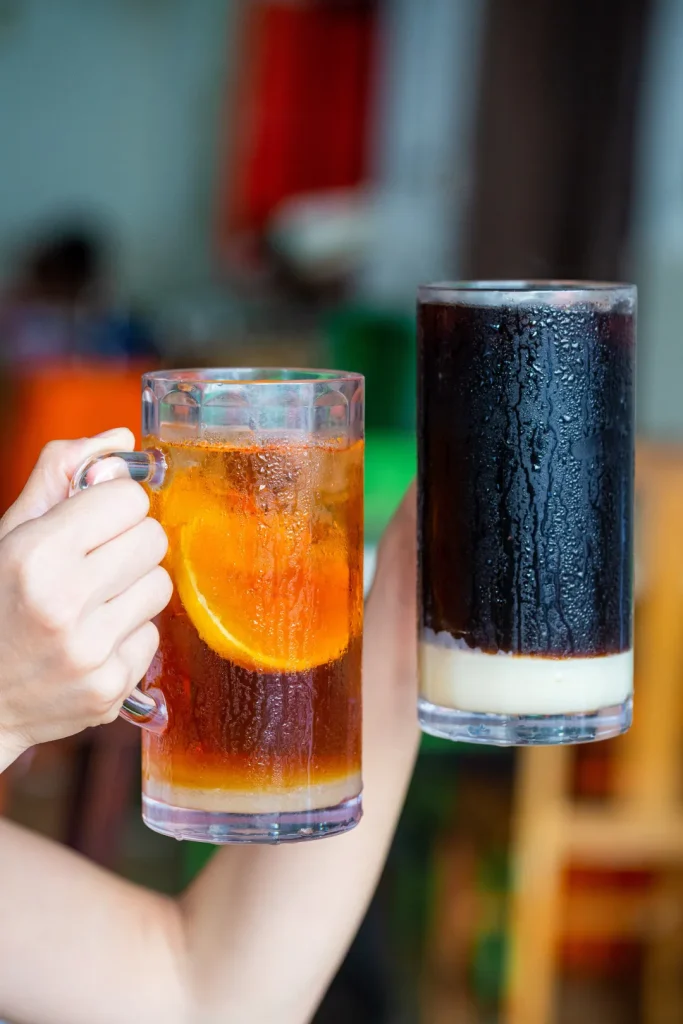
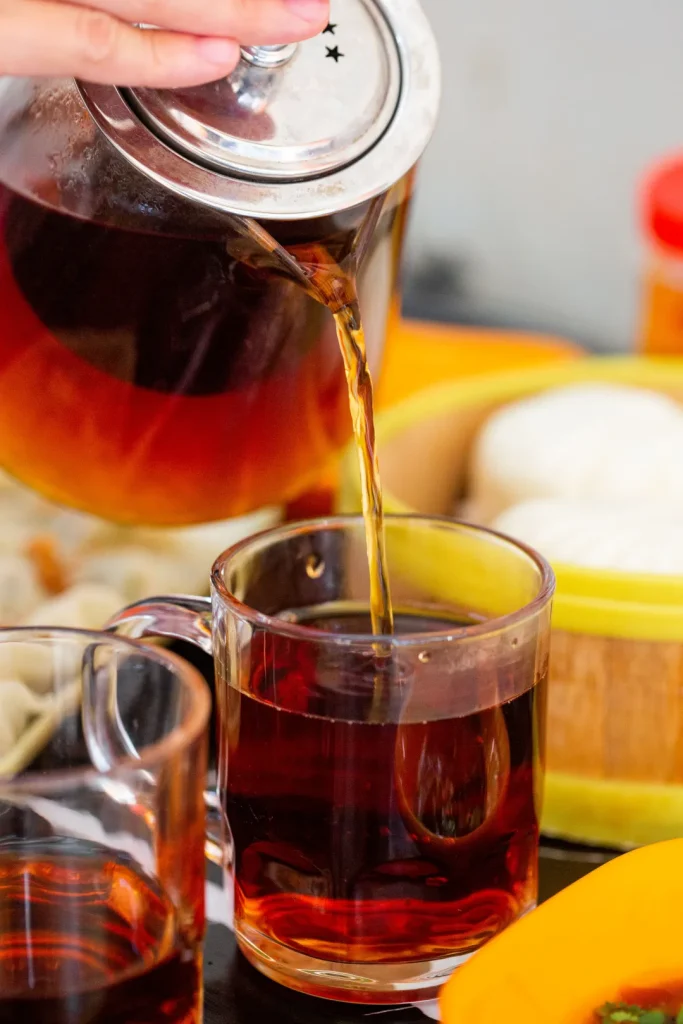
A pot of tea is a moment in Hainan time.
A table, a teapot, a few pastries. Gather with friends to chat about everything under the sun, letting time slip away unnoticed. To truly experience Hainan's pace of life during a tropical vacation in Sanya, start with a session of Dad's Tea.
Amidst the aroma of tea and the warmth of everyday life, discover a side of Hainan that reflects the cultural depth, hospitality, and everyday authenticity that make China travel so rewarding.
Appendix: Recommended Dad Tea Restaurants in Sanya (for reference)
Afang Dad Tea
📍 Opposite North Gate of Second Agricultural Market, Jiefang Road, Tianya District
Gaodengfu Tea House · Traditional Dad Tea
📍 2nd Floor, Jinjiling Farmers' Market, Tianya District