Echoes Between Mountains and Sea: A Cultural Chronicle of the Li and Miao in Sanya (Part I)
Every city presents two faces: the landscape we see, and the deeper spirit shaped by time and land. In Sanya, that spirit belongs to the Li and Miao peoples. Their languages, tools, totems, patterns and songs form the earliest—and most enduring—cultural fabric of this island. These traditions are not relics preserved in the cold stillness of history. They remain a living way of life—something that can be heard, seen, touched, and even felt in its warmth.
This cultural guide invites you to step into the living landscapes of Sanya’s cultural sphere—places both widely known and quietly hidden among hills and forests—and to begin a conversation with the deeper soul of the land.
Binglang River Rural Cultural Tourism Zone
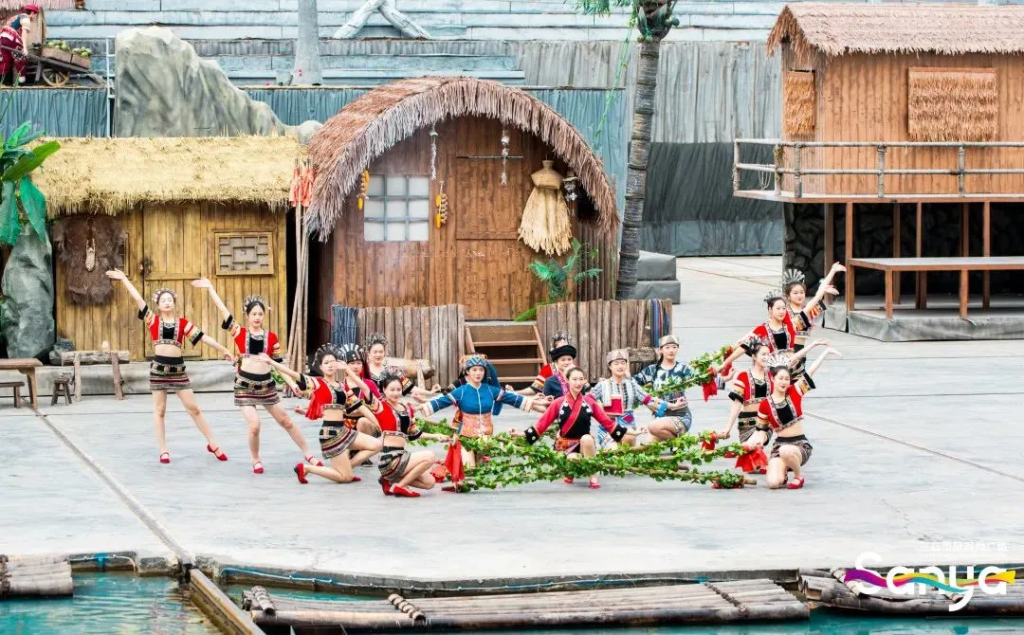
The spirit of Binglang River lies in its sense of authentic rural life. The surrounding area retains a largely intact village environment where local ecology, traditional farming practices, and elements of Li culture coexist. Riverbanks, fields, wooden houses, and waterways shape the natural scenery while preserving traces of everyday village life.
Within the cultural experience areas, visitors can encounter Li handicrafts, traditional clothing, and tools once used in daily production and household life. These displays are grounded in the rhythms of real living rather than staged performances. The value of Binglang River does not lie in spectacle; it lies in helping visitors understand the village itself as a living vessel of culture.
Luhuitou Scenic Area
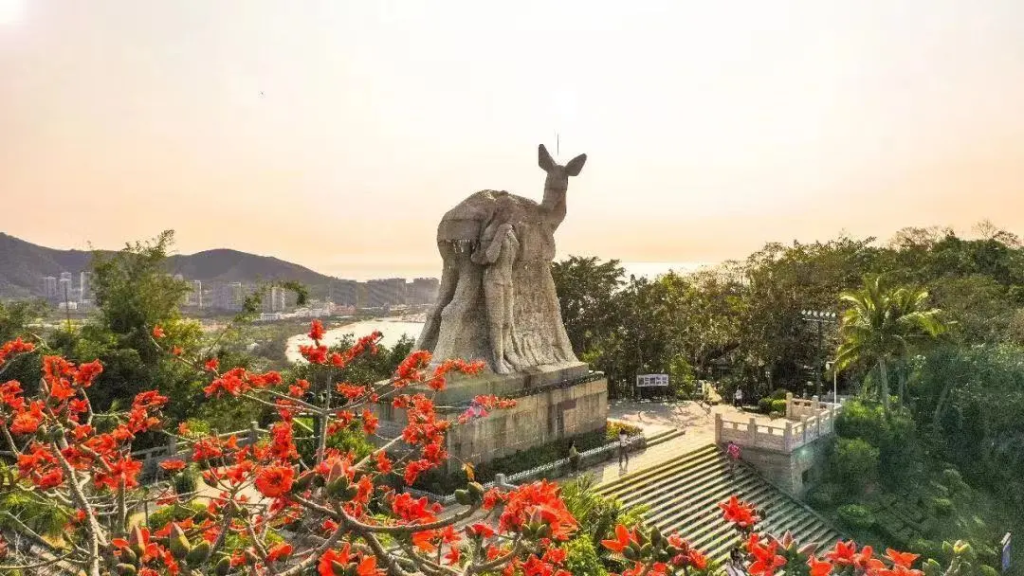
Sanya’s nickname, the “City of the Deer,” originates from a Li legend of love associated with this very hill. At the summit of Luhuitou stands a sculpture capturing the moment a deer turns its head back—an image drawn from a story about a young Li hunter and a maiden who transforms into a deer.
The statue gazes quietly over the city and the bay. From this vantage point, the sea unfolds slowly and the city stretches along the coast, the scenery and the legend blending into a silent narrative. Luhuitou is more than a place to admire the view. It serves as a quiet reminder that Sanya’s culture is not only modern and romantic—it is also rooted in far older memories of the island’s indigenous communities.
Romance of the Song Dynasty (Sanya Eternal Love Scenic Area)
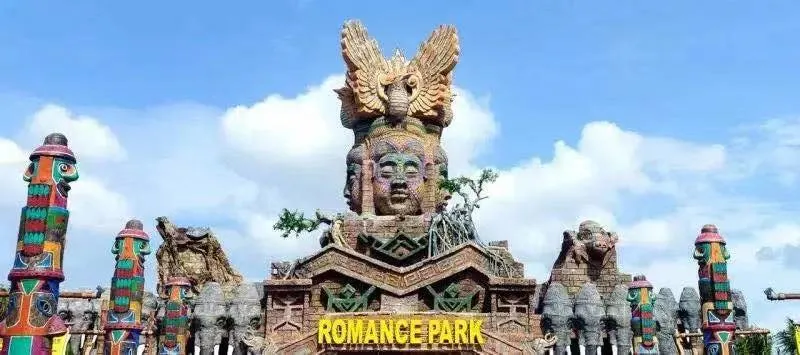
The essence of the Sanya Eternal Love Scenic Area lies in its epic-style storytelling. Light, stagecraft, and music combine to create a condensed narrative space where Li myths, fragments of history, and memories of island life are brought vividly to the audience.
In the village exhibition area of the park, traditional costumes, tools, and patterns offer visitors an introduction to Li and Miao culture. For many first-time visitors, this becomes an accessible gateway. Its significance lies in transforming culture from something confined to academic texts into something that can be seen, heard, and remembered.
Zhongliao Village
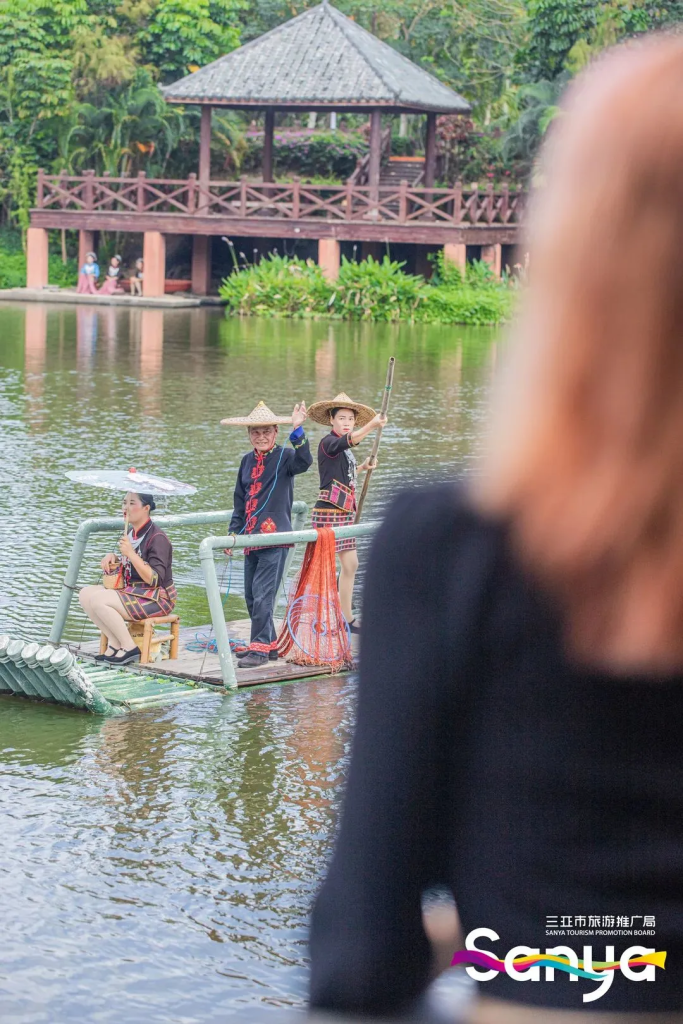
The soul of Zhongliao Village is found in its poetic sense of slow time. Traditional houses with distinctive local features still stand here, largely untouched by excessive development, preserving the organic texture of village life.
Quiet Li dwellings sit among stone mills, bamboo groves, and rice fields. Mountain breezes and drifting cooking smoke complete a scene that feels like a living pastoral painting. Residents continue to follow their own rhythms. Conversations can be heard beside wooden fences, while elderly craftsmen patiently mend tools beneath the sun. Walking through Zhongliao does not feel like visiting a tourist attraction. Instead, it feels like stepping into the quiet continuation of authentic rural life—slow, gentle, and deeply meaningful.
Binglanggu Li and Miao Cultural Tourism Zone
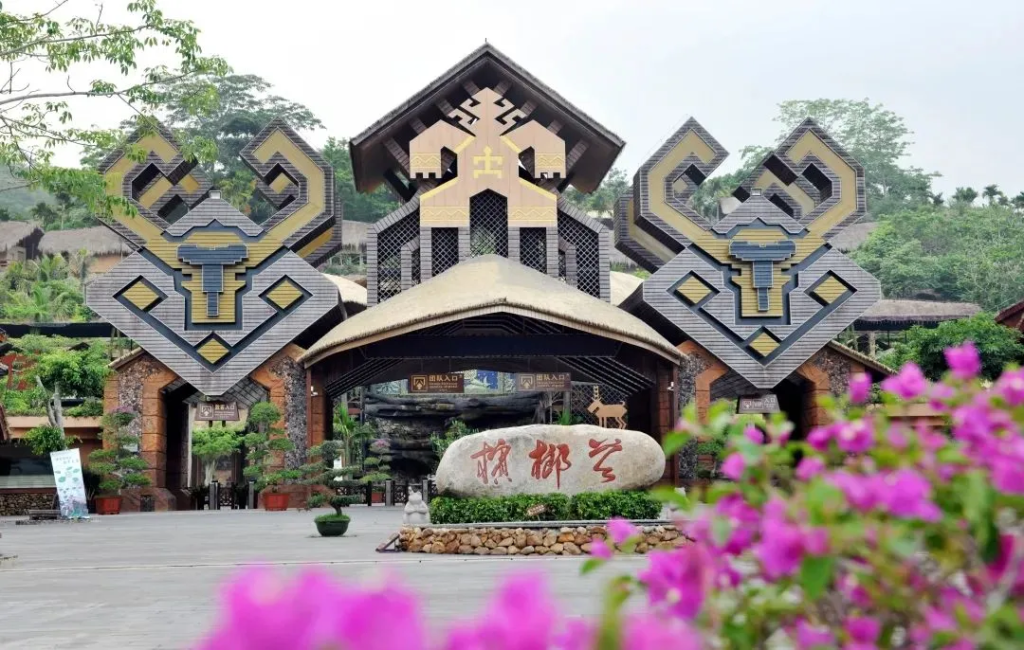
Located in Baoting County, Binglanggu is often described as a sanctuary of Li and Miao culture. Beyond its lush natural environment, it offers a vivid setting where traditions are still practiced and passed down.
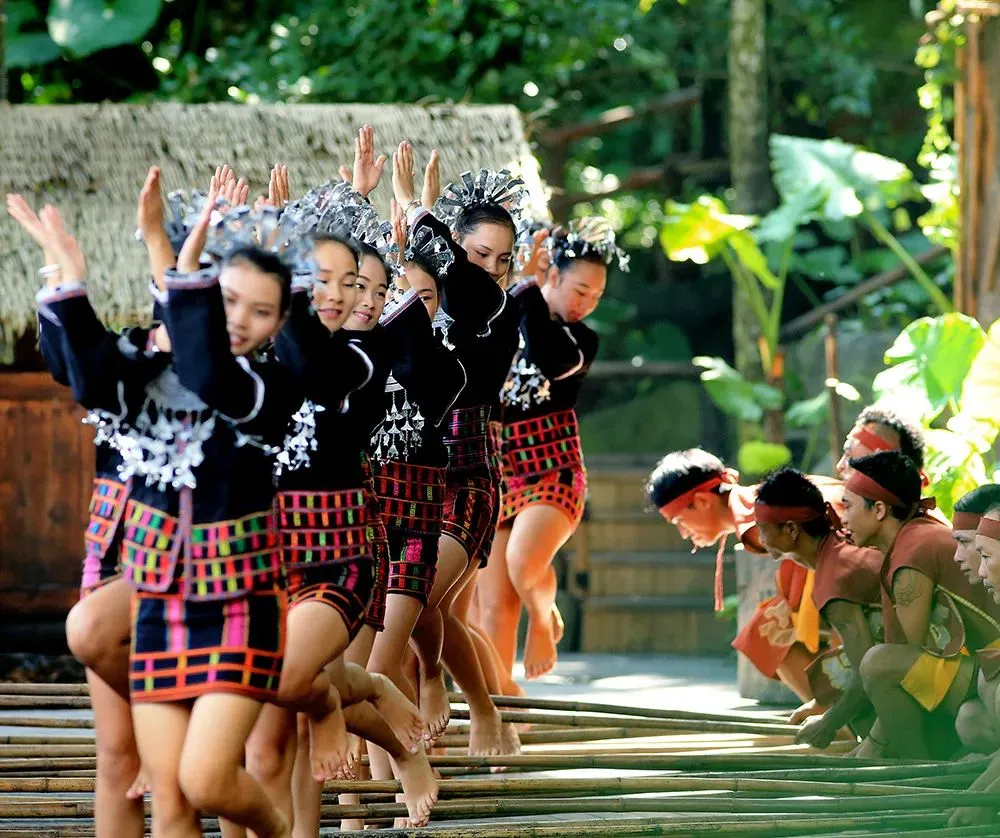
Visitors may change into traditional attire and join Miao dancers in the rhythmic bamboo pole dance, or learn the intricate weaving techniques of Li brocade from local artisans, tracing ancient totemic patterns with their fingertips. Mountain songs may drift through the air while nearby a potter shapes clay using age-old methods.
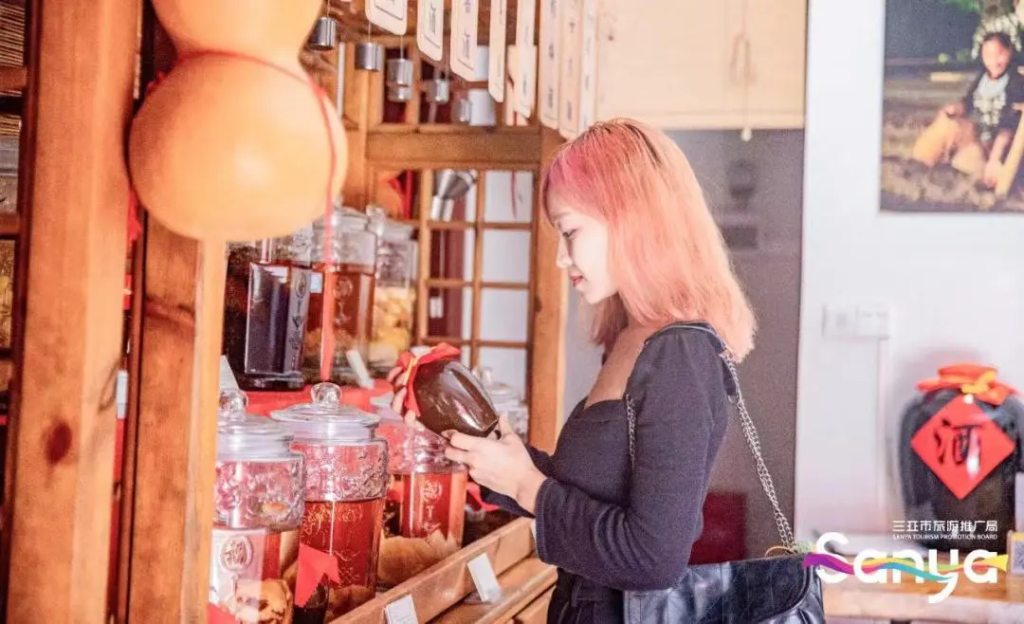
After a long walk, one might sit down to sip a cup of Shanlan rice wine or taste boji fan—a traditional bamboo tray meal—where the flavor of food meets the scent of the earth. Here, culture is not something to simply observe; it is something to step into, participate in, and breathe alongside.
Our exploration is not yet complete.
In the next installment, we will travel further into Lingshui, Baoting, and Wuzhishan, continuing the search for cultural landscapes shaped by mountains, people, and ritual.
Continue reading → “Echoes Between Mountains and Sea: A Cultural Chronicle of the Li and Miao in Sanya (Part II)”