Echoes Between Mountains and Sea: A Cultural Chronicle of the Li and Miao in Sanya (Part II)
In the previous journey, we moved through Sanya and Baoting, tracing how Li and Miao culture takes shape across both city and countryside. Yet culture does not root itself solely in scenic sites or landmarks. It grows more deeply in mountain villages and forest settlements, intertwined with everyday life.
This time, we travel further into Lingshui and Wuzhishan—a quieter path, and one that brings us closer to the earliest forms of Li culture.
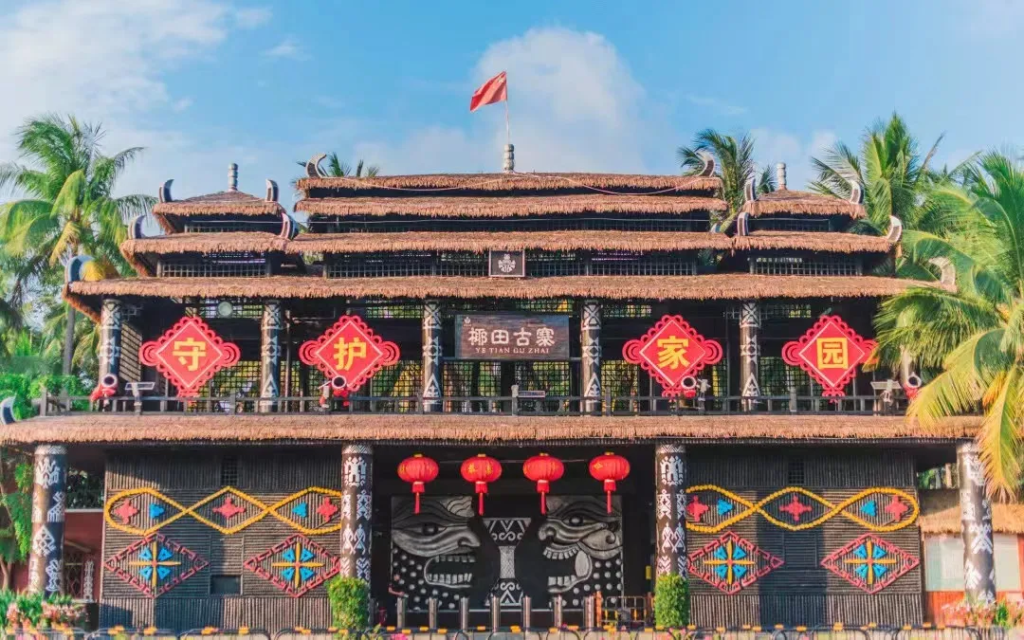
Yetian Ancient Village
The essence of Yetian Ancient Village, located in Lingshui, lies in its “time preserved in stillness.” Here, the early lives of the Li and Miao peoples remain vividly inscribed in architectural forms: pyramid-shaped houses, boat-shaped dwellings, and stilted wooden structures—each reflecting a distinct logic of living.
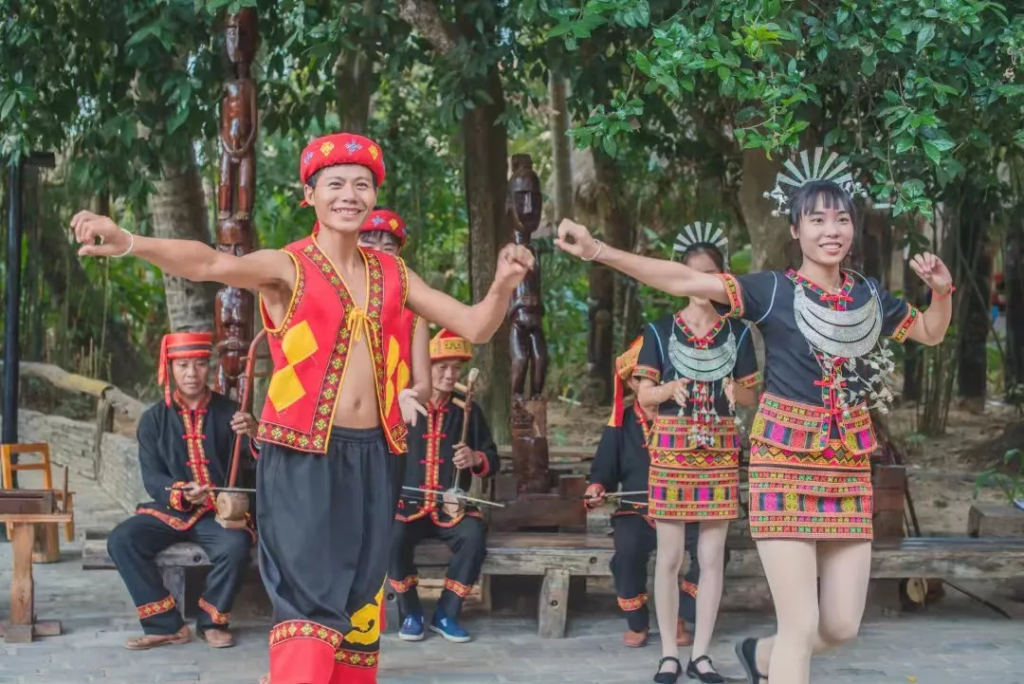
Beneath the eaves, villagers can still be seen weaving Li brocade or crafting bamboo tools by hand. Pottery, silver ornaments, embroidery, and tie-dye are not museum displays but living skills passed down through generations. During the “Third Day of the Third Lunar Month” festival, songs echo through the village, as though time itself briefly returns to an earlier age.
Fenpo Village
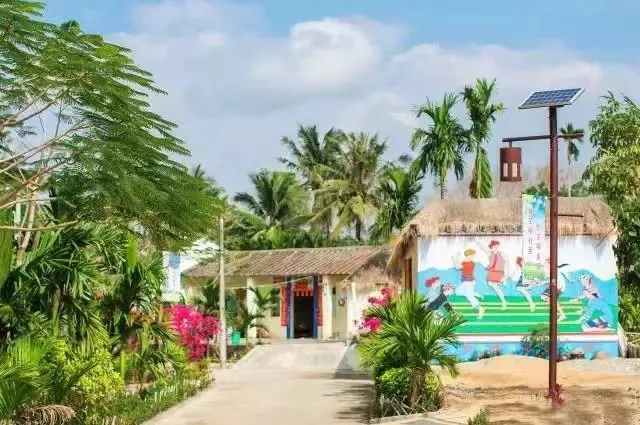
Fenpo Village feels like an untouched corner of the world. Set deep in the mountains, it remains removed from the pace of modern life. Its residents continue to rely on farming and animal husbandry. Black goats wander down from the hills, while coffee plants, rubber trees, and betel nut palms grow quietly in the humid air.
Two decades ago, this was undeveloped land. Today, it retains the same character: simple, unhurried, and free from deliberate embellishment. In Fenpo, Li culture is not something consciously preserved—it simply continues, as it always has.
Wuzhishan Li Cultural Park (Litong Cultural Park)
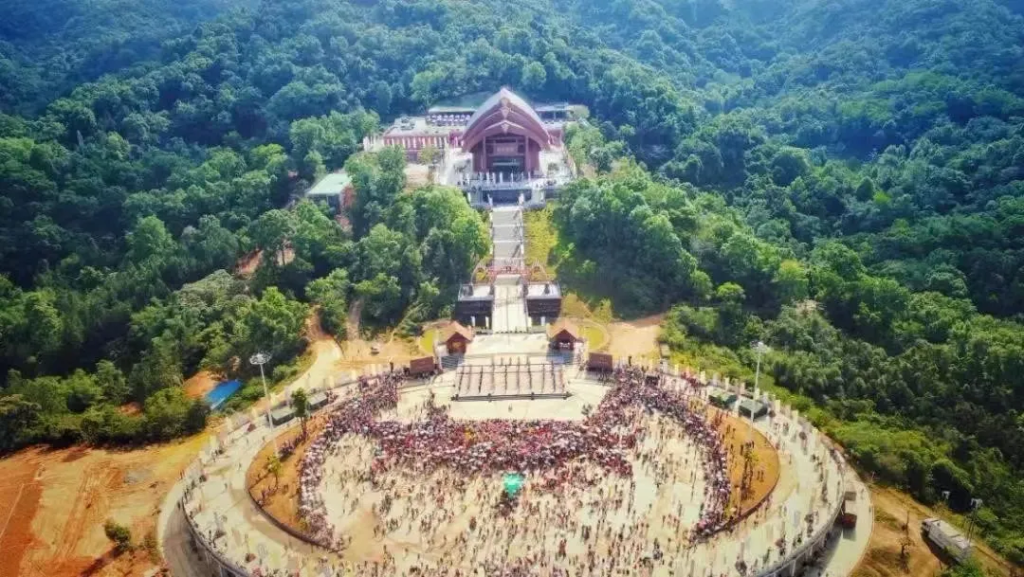
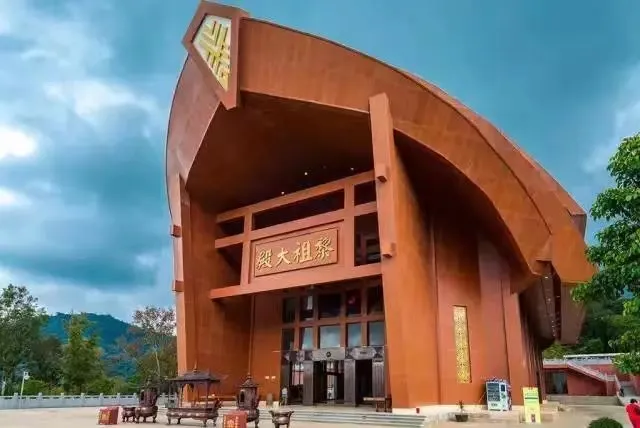
At the foot of Wuzhishan lies the Li Cultural Park, an essential place for understanding the spiritual roots of the Li people. Backed by mountains and open to expansive views, the site holds a quiet sense of reverence.
At its center stands the shrine dedicated to the Li ancestor Paolongkou, serene and solemn. Each year, during the “Third Day of the Third Lunar Month,” Li communities gather from across the region to perform rituals, sing, and pass down traditions. The park offers a reminder that Li culture is not only expressed through craft and architecture—it is also anchored in belief and shared memory.
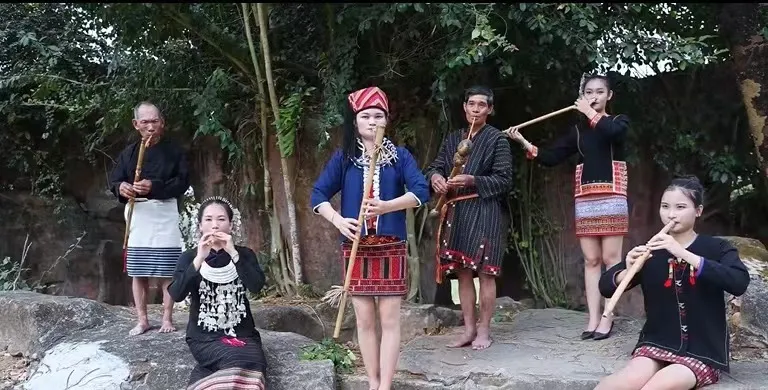
Voice of Wuzhishan: Li Bamboo and Wood Instrument Heritage Center
The spirit of this place lies in its return to the sounds of the forest. Traditional Li instruments, crafted from bamboo, wood, and leather, appear simple in form yet produce tones of striking clarity—like echoes carried through mountain valleys.
Though recognized as a national intangible cultural heritage in 2008, these instruments were never revived through preservation efforts alone. They have always existed—crafted, played, and heard in the mountains. Inside the heritage center, visitors can listen to the rhythm beneath the musicians’ fingertips, watch bamboo tubes breathe and drumheads vibrate, and feel melodies unfold in the air—requiring no translation to reach the heart.
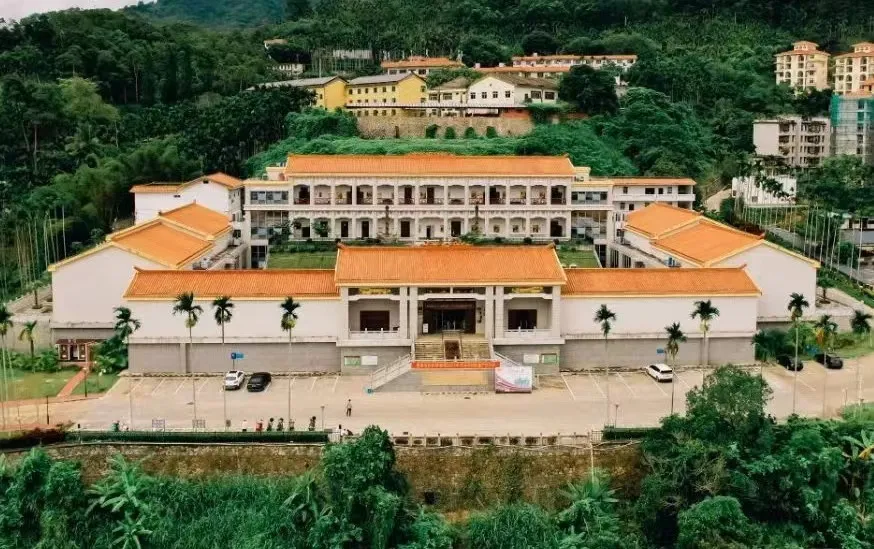
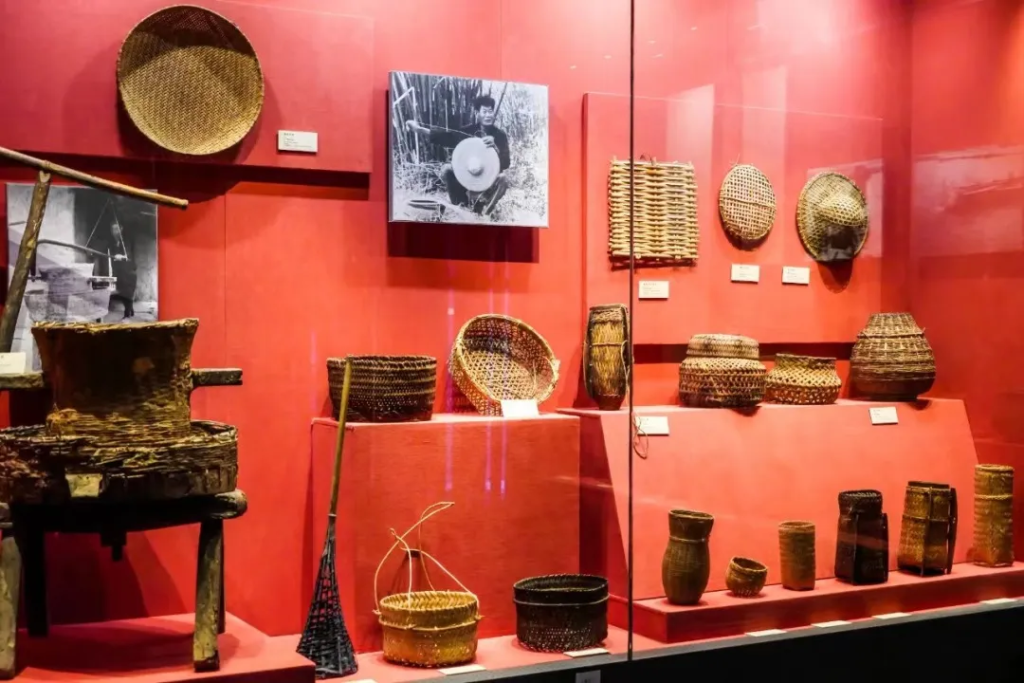
Hainan Provincial Museum of Ethnic Cultures
This museum is built for memory—a repository of Li and Miao cultural heritage. Housing over 30,000 artifacts, it preserves clothing, tools, ritual objects, and everyday implements—each one a trace left by lived experience.
This is not a space of spectacle or interaction. Instead, it presents a quiet truth: that culture once lived in these forms, as an unembellished reality.
Maona Village
Tucked between mountains and drifting clouds, Maona Village holds a different rhythm. It is neither as still as Zhongliao nor as secluded as Fenpo. Instead, it carries a sense of warm, lived vitality alongside its cultural depth.
Here, visitors can taste authentic Li cuisine: Shanlan rice wine, yellow chili rice, bamboo-tube chicken, and goat stewed with chestnuts. The food carries the flavor of the land, the mountains, and the hands that prepare it.
As night falls, long tables are set and bonfires lit—not as performance, but as a genuine gesture of hospitality. In Maona, culture is not an abstract narrative. It is something shared, enjoyed, and lived in the present.
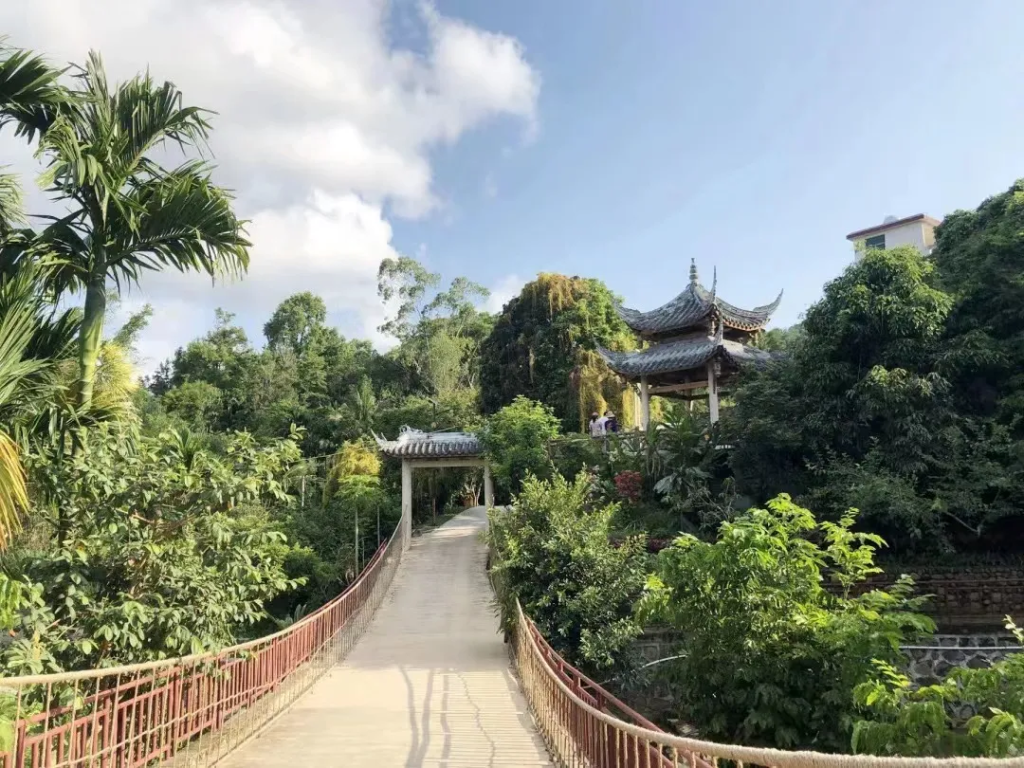
This journey may have reached its end, but culture does not stand still. It lives on—in daily life, in the land, and in the hearts of people.
Sanya, this radiant coastal city, is shaped not only by its natural beauty, but by the enduring presence of Li and Miao culture—an inheritance that gives the city its singular soul.